
Langhui

LANGHUI JOURNAL

Insights & news.

Briefings on data, models and delivery, written so buyers can move from reading to a sample review.

Interface in English. Full procurement articles are published in Chinese; open any card for the briefing, or request an English sample review.

Browse all articles
Research folders and a closed laptop on a desk Procurement · 2026.10.22
FeaturedIndustry & tech

Financial long-context evaluation: how to verify materials and model reasoning

The latest procurement desk puts finance, medical fields and agent benchmarks into readable briefings. Full articles are in Chinese; use the form on each page to request an English sample review.

Read the featured briefing
In this issueLong context · Medical fields · Benchmarks

Go deeper by theme

Collections

Find more viewpoints

Archive

Showing 46 articles

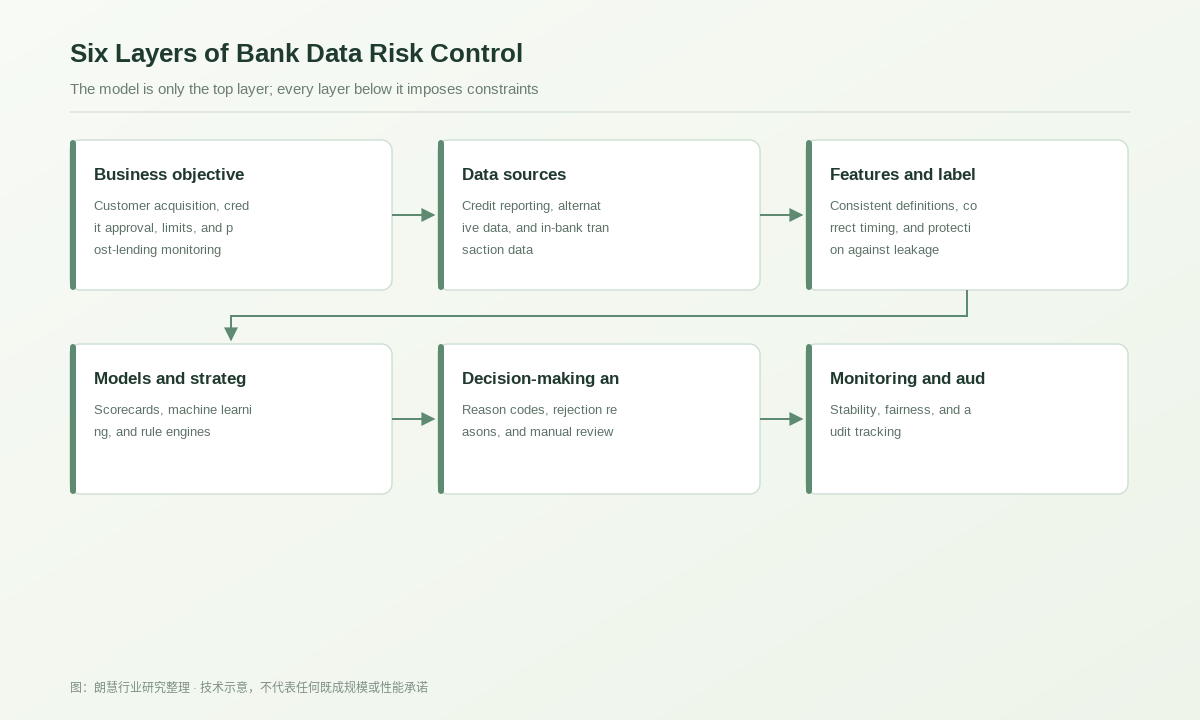
Layered diagram of bank data risk control: business objectives, data sources, features and labels, models and strategies, decision-making and explanation, and monitoring and audit trails
Industry & tech

Tech Finance and Bank Partnerships: Compliance Boundaries for Data Risk Control and Rights and Responsibilities in Joint Modeling

Breaks down the compliance boundaries for data risk control in tech finance and bank partnerships: the classification of credit reporting and alternative data, model explainability and consumer protection, cross-border data transfer and localization, and the allocation of rights and responsibilities and acceptance methods for joint modeling.

Read article
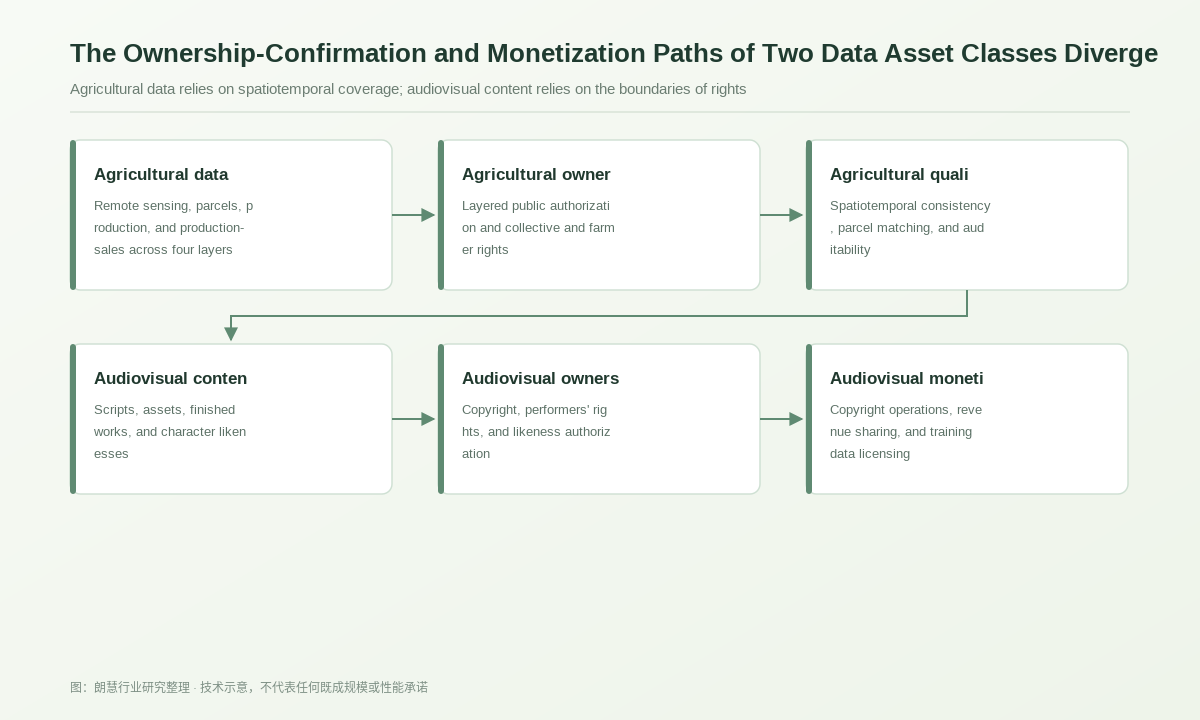
Comparison diagram of two data asset types: agricultural data sources, rights confirmation and quality; screen content sources, rights confirmation and monetization
Industry & tech

Agricultural Remote Sensing and Screen Content: Differences in Rights Confirmation, Quality, and Monetization Paths Across Two Types of Data Assets

A comparison of the assetization paths for agricultural remote sensing data and screen copyright: the spatiotemporal quality of parcels and remote sensing data, methods for confirming rights in screen material and rights ledgers, monetization structures and licensing-chain risks for the two asset types, and the shifts in use cases and acceptance criteria expected over the next 12 to 24 months.

Read article
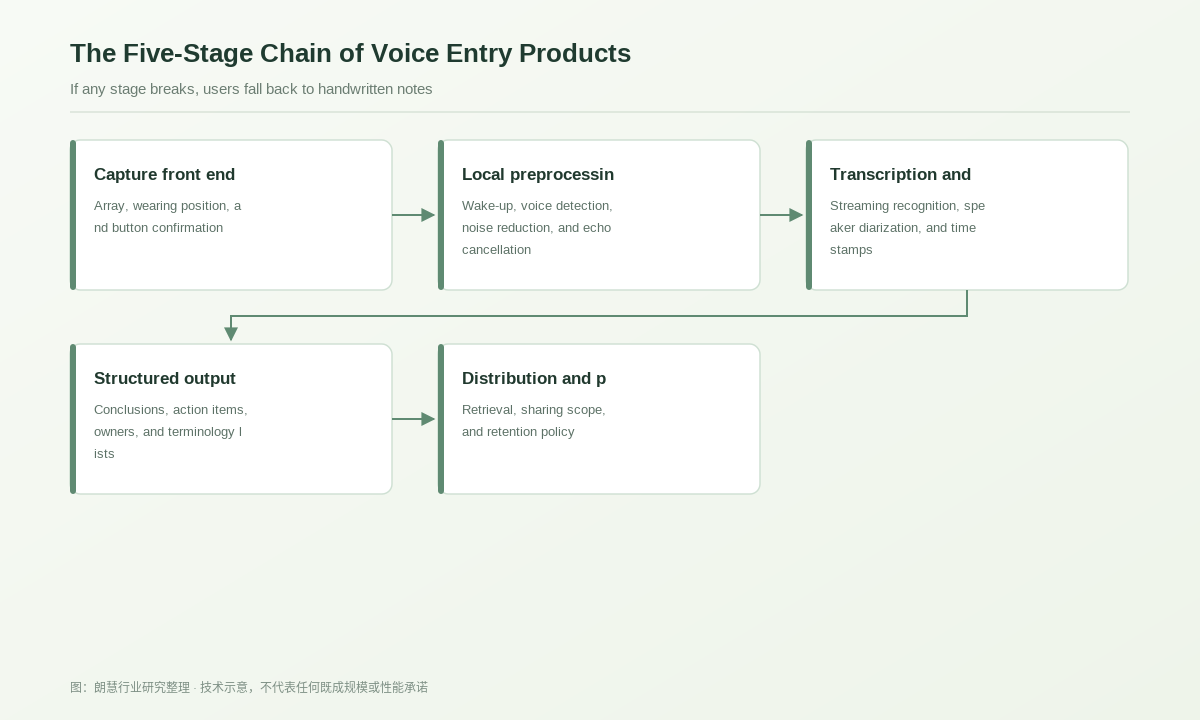
Voice entry chain: capture front end, local preprocessing, transcription and speaker diarization, structured output, and distribution and permissions
Industry & tech

AI Recording Hardware Product Logic: Voice Entry Point, Edge-Cloud Collaboration, Meeting Minutes, and Privacy Tradeoffs

Breaks down the product logic of AI recording hardware across four dimensions: voice entry point, edge-cloud collaboration, meeting minutes, and privacy design, discussing microphone arrays, far-field transcription, structured output, data-collection minimization, and tradeoffs between battery life and form factor. It also provides reproducible evaluation and acceptance methods, making it useful for product managers, hardware teams, and data-compliance leads.

Read article
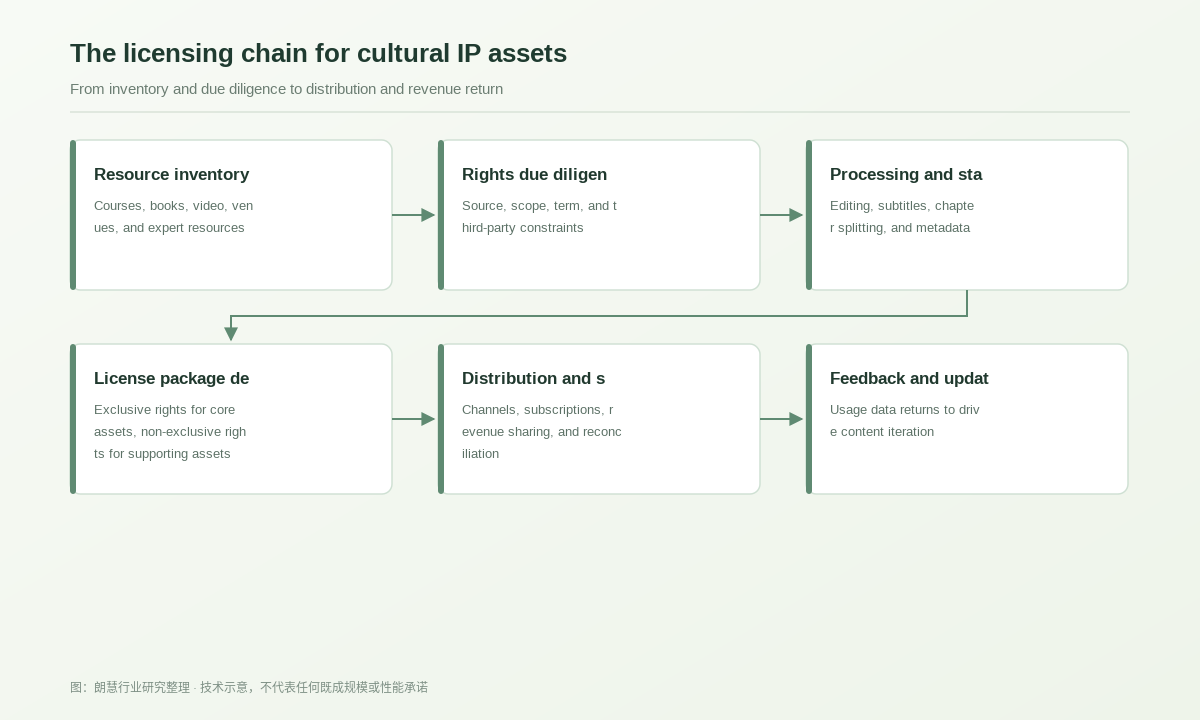
Schematic of the cultural IP licensing chain: resource inventory, rights due diligence, processing standardization, licensing package design, distribution and settlement, and feedback and updates
Industry & tech

Commercializing the Redology IP: Cultural Data Assets, Version Digitization and Licensing Structures

Pathways for commercializing the Redology IP: inventorying cultural data assets, digitizing versions and texts, exclusive licensing and revenue return, content production for courses, short dramas and exhibitions, text annotation, subscription distribution, and the compliance boundaries and forward outlook for nonprofit organizations.

Read article
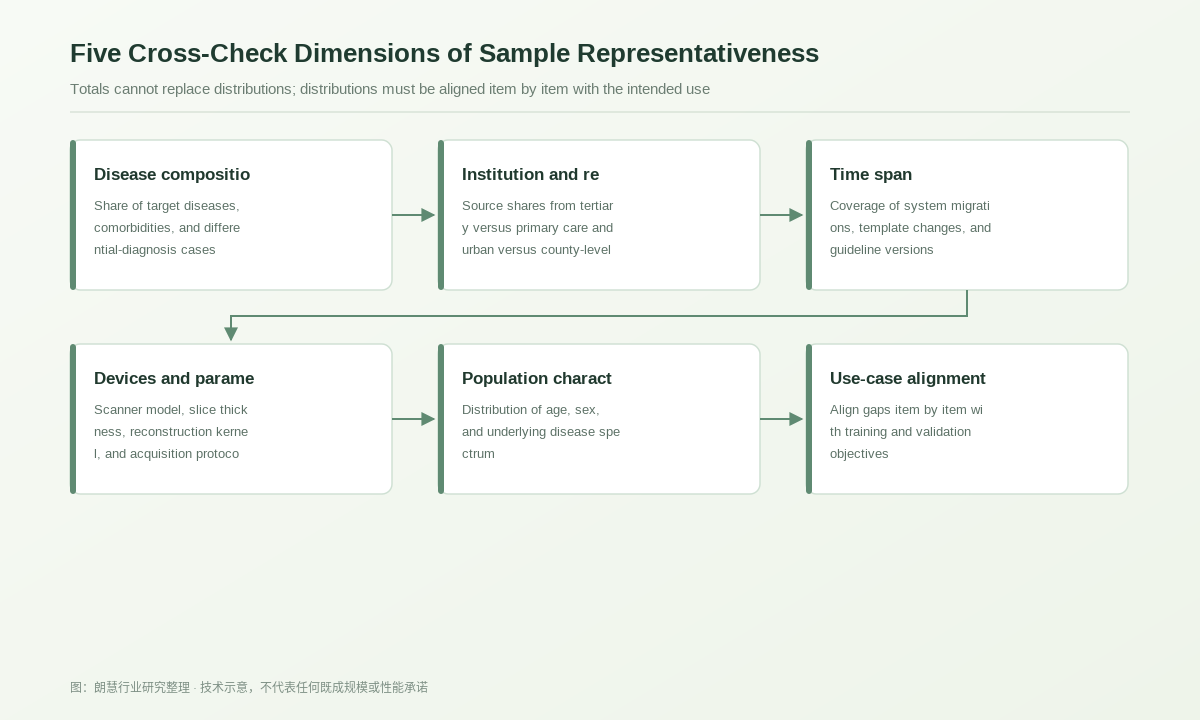
Schematic of sample representativeness checks: disease composition, institution and region, time span, devices and parameters, population characteristics, and final alignment with intended use
Data & annotation

Acceptance Criteria for Medical Data Procurement: Sample Representativeness, Annotation Consistency, and Sampling Plans

A breakdown of the acceptance criteria for medical data procurement: sample representativeness, annotation consistency, follow-up completeness, device and parameter distribution, reproducible materials and sampling plans, with decision criteria and failure signals for procurement and algorithm teams to share. Avoid placing orders based only on volume alone; this can also be used for internal project reviews.

Read article
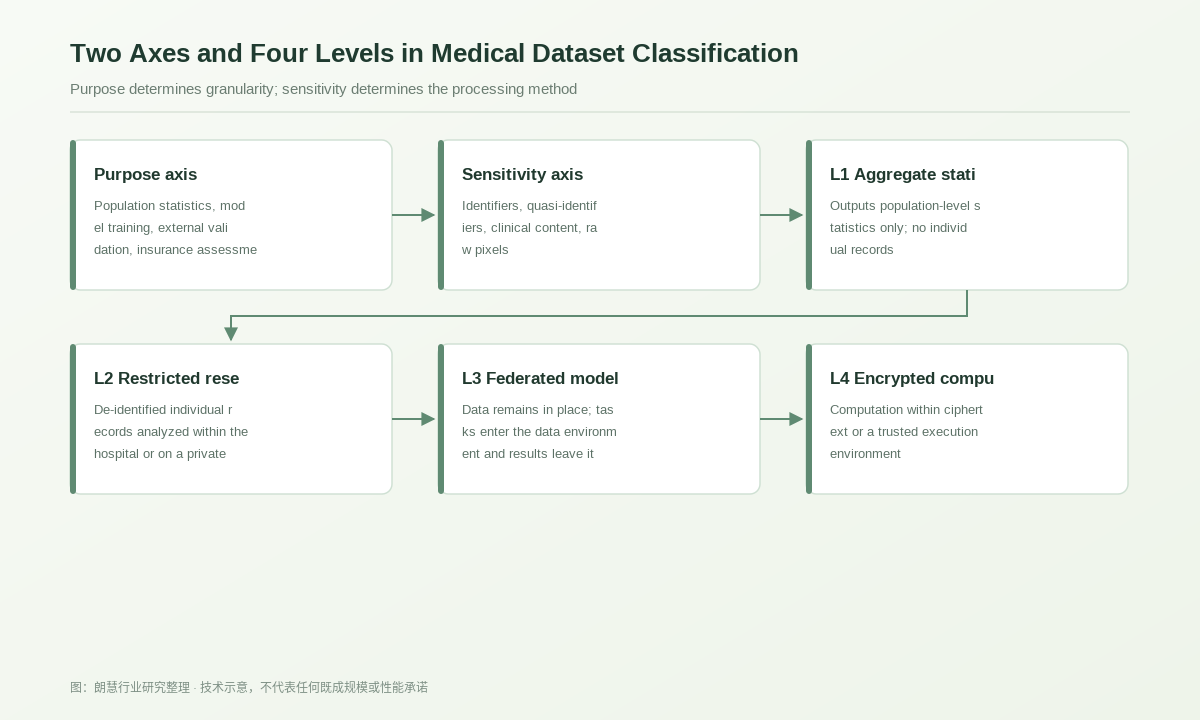
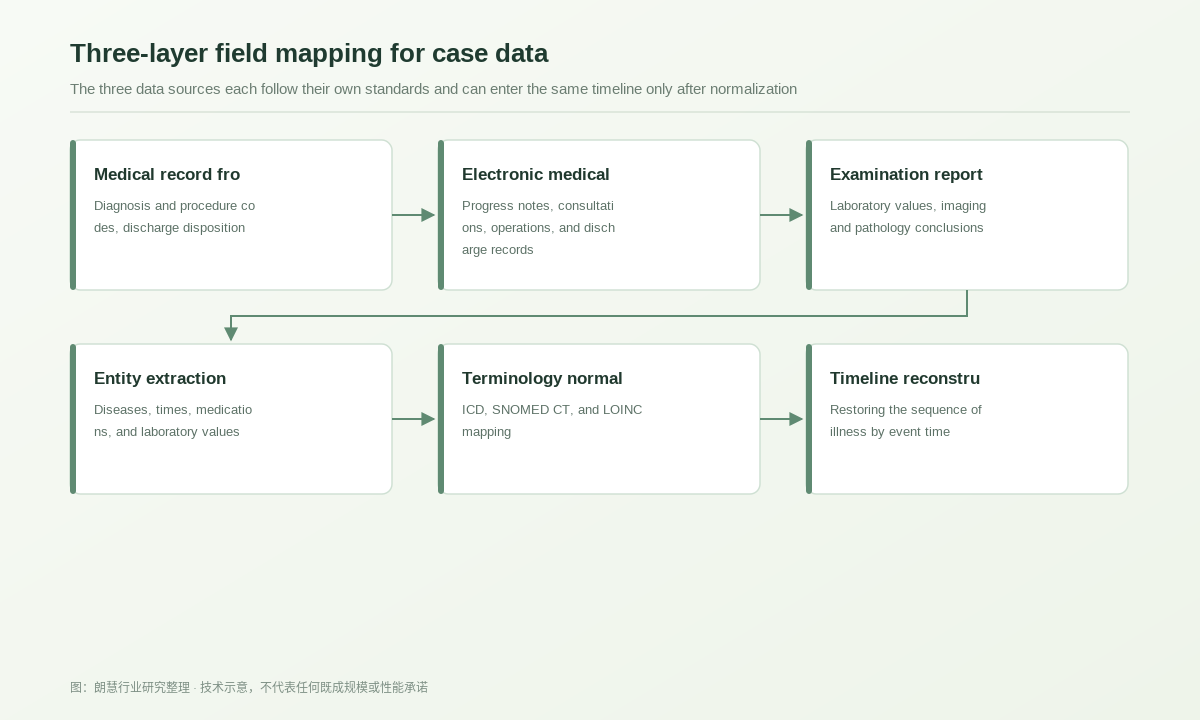
Illustration of case data structuring: three data sources—medical record front page, electronic medical record, and examination report—enter timeline reconstruction after entity extraction and terminology normalization
Data & annotation

Case data structuring: field mapping from medical record front pages to electronic medical records and examination reports

Breaking down the engineering path for structuring case data: field mapping between medical record front pages and electronic medical records, structuring examination reports, entity extraction and terminology normalization across ICD/SNOMED CT/LOINC, timeline reconstruction, and acceptance criteria for quality spot checks.

Read article
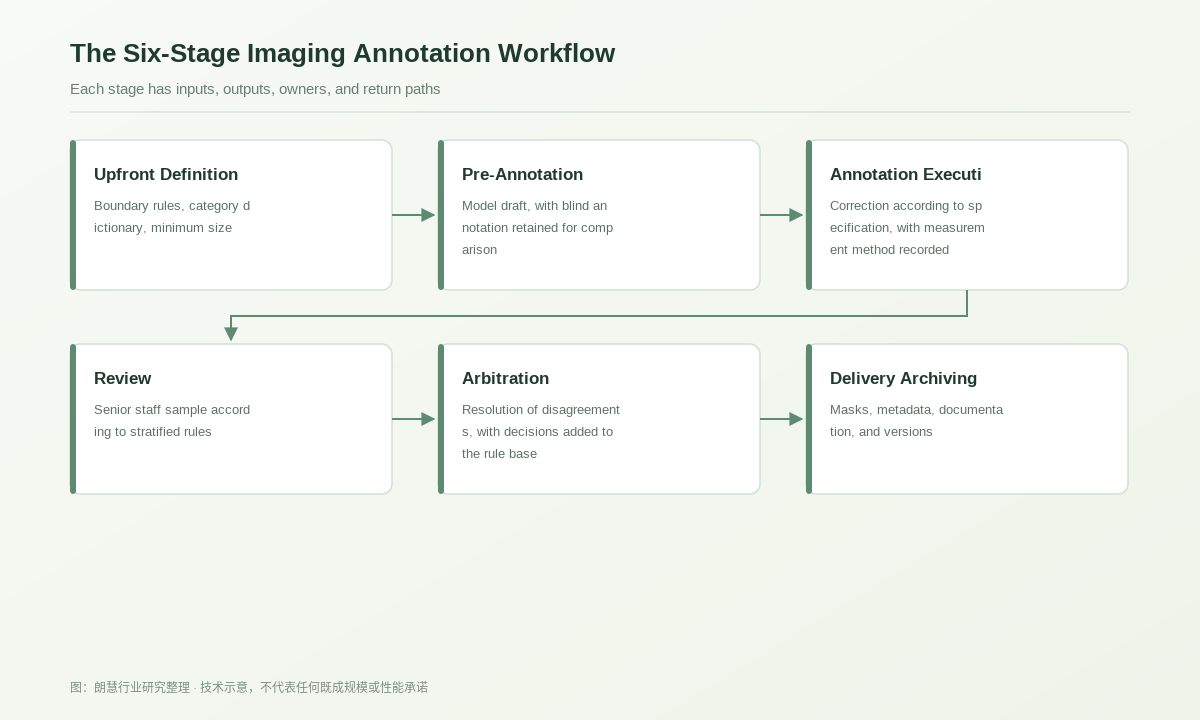
Illustration of the imaging annotation workflow: upfront definition, pre-annotation, annotation execution, review, arbitration, and delivery archiving
Data & annotation

Medical Imaging Annotation Platforms: Workflow Breakdown, Quality-Control Sampling, and Capacity Design

This article breaks down workflow design in medical imaging annotation platforms, the boundaries of pre-annotation and blind-annotation comparison, stratified quality-control sampling and consistency assessment, segmentation, detection, registration and temporal tool capabilities, capacity estimation, tiered staff training, and deliverable specifications with metadata, along with an actionable acceptance checklist and forward-looking assessment.

Read article
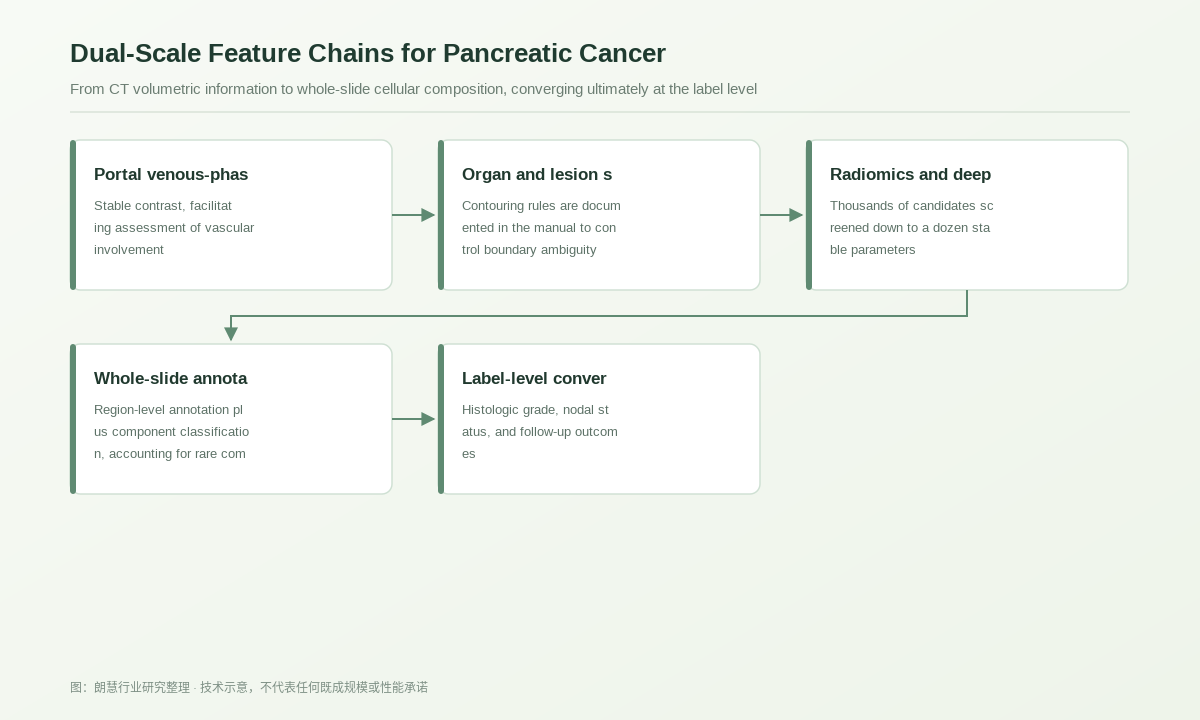
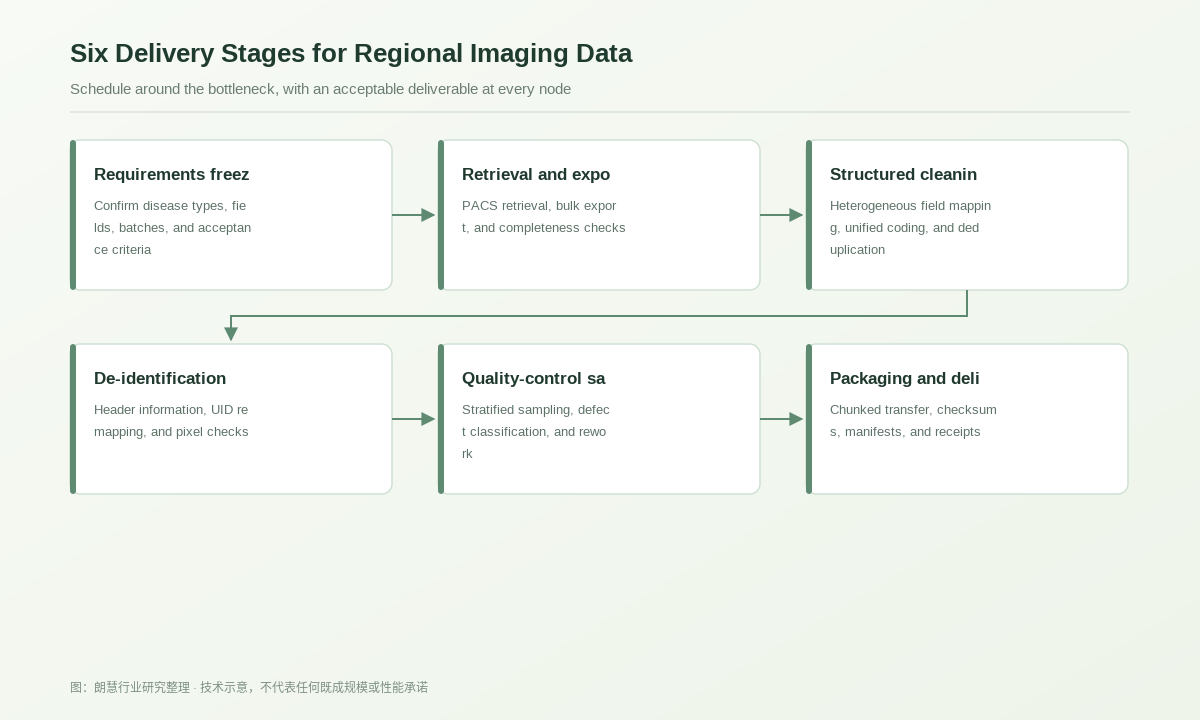
Diagram of regional imaging delivery stages: requirements freeze, retrieval and export, structured cleaning, de-identification processing, quality-control sampling, and packaging and delivery
Data & annotation

Regional Imaging Data Project Delivery Management: Scheduling, De-Identification Pipelines, and Quality-Control Sampling

Breaks down delivery management for regional imaging data projects: scheduling and capacity, de-identification pipelines, quality-control sampling, hospital coordination, milestone design, and risk lists, with forward-looking judgments based on observations from regional digital health conferences, analysis of common causes of rework, and approaches to maintaining capacity flexibility.

Read article
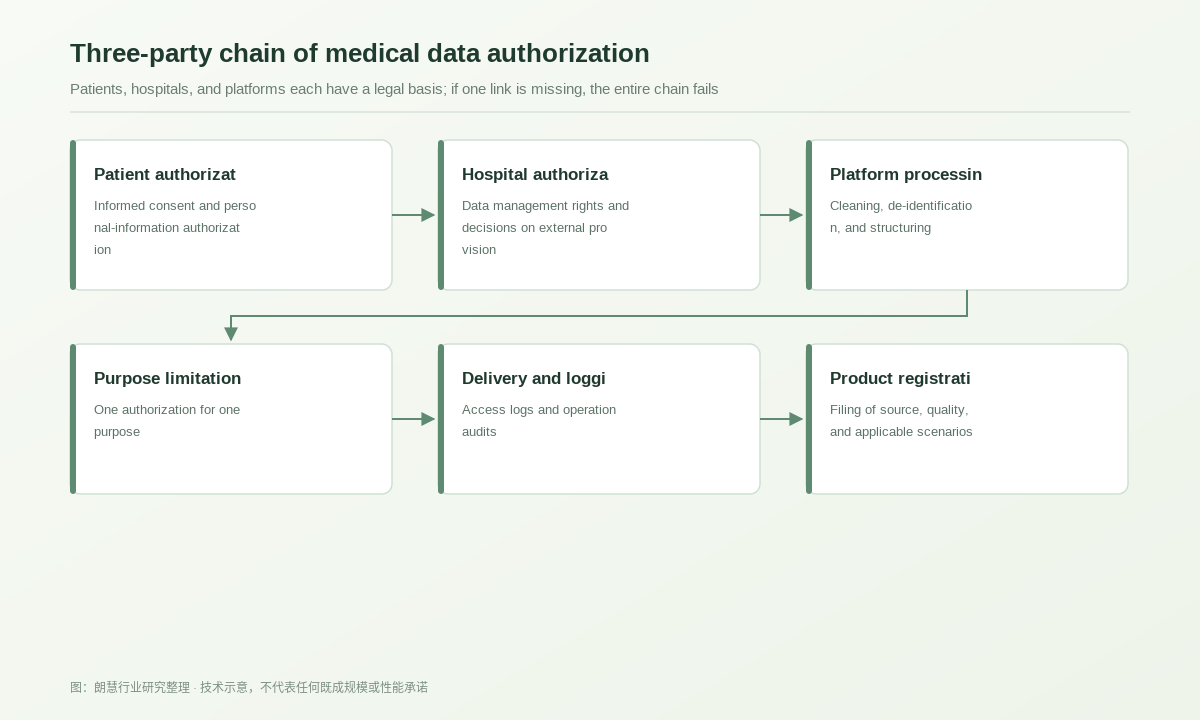
Schematic of the medical data authorization chain: patient informed consent, hospital external-provision decision, platform processing and de-identification, purpose limitation, delivery and logging, product registration
Data & annotation

Medical Data Trading and Licensing: Three-Party Authorization Chain, Purpose Limitation, and Audit Trails

Breaking down the compliance structure of medical data trading and licensing: the three-party authorization chain of patients, hospitals, and platforms; purpose limitation and data minimization; de-identification and re-identification risk; and practical essentials of audit trails, data product registration, and compliance assessment.

Read article
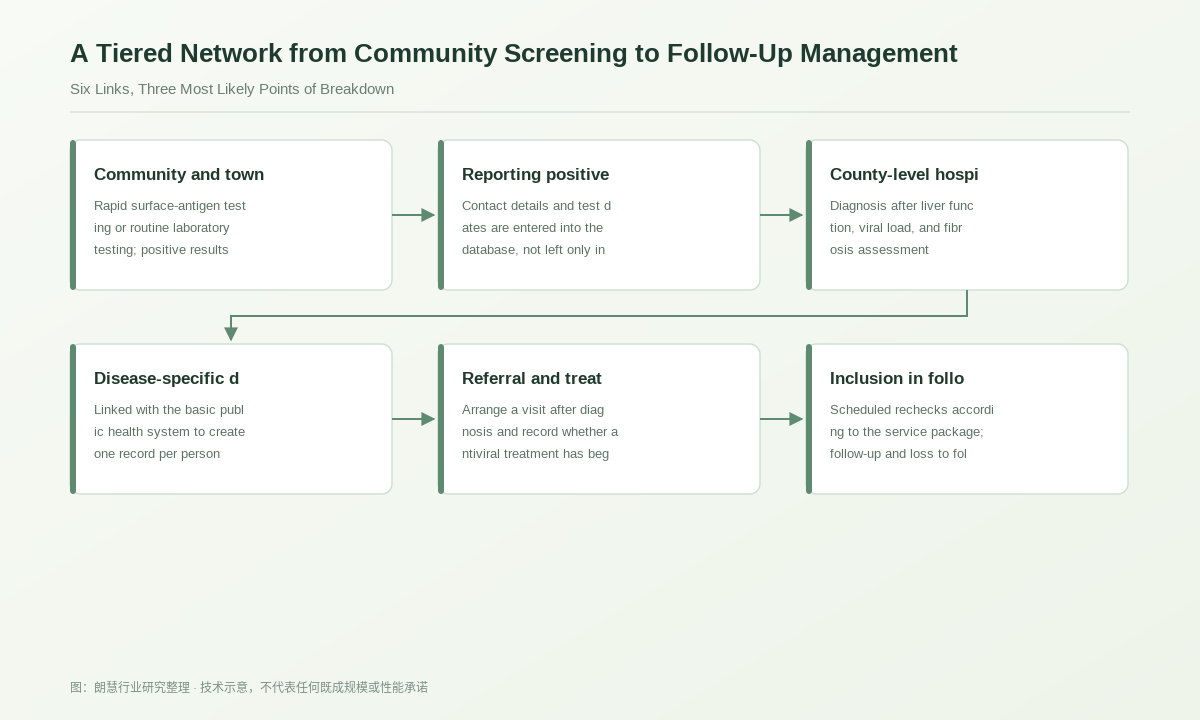
Diagram of a hepatitis B screening network: community initial screening, reporting positive results, county-level hospital confirmation and diagnosis, disease-specific database record creation, referral and treatment initiation, and inclusion in follow-up management
Medical & health

Hepatitis B Prevention and Control: Screening Networks, Treatment Gaps, and the Boundaries of AI-Assisted Follow-Up

A breakdown of the screening network and treatment gaps in hepatitis B prevention and control: the division of labor between community-level screening and hospital-based diagnosis, implementation gaps in vaccination and mother-to-child transmission prevention, reasons for low treatment rates, the population profile of real-world cohorts, and the boundaries of AI in risk prediction and follow-up management.

Read article
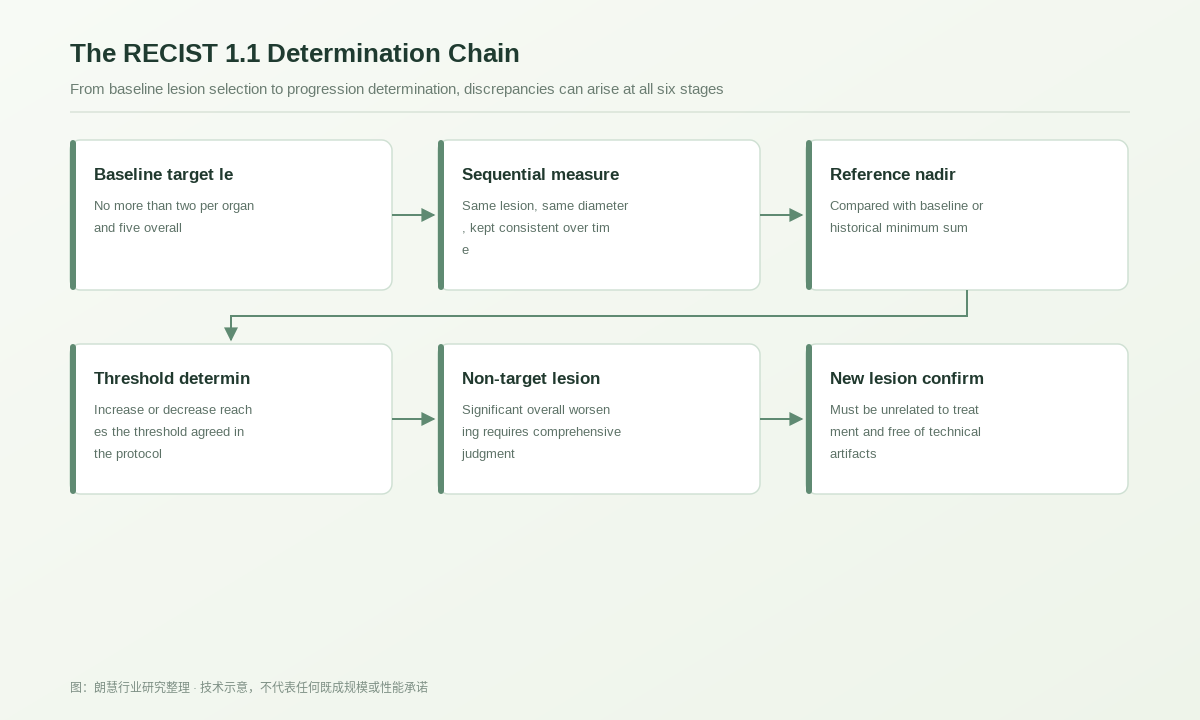
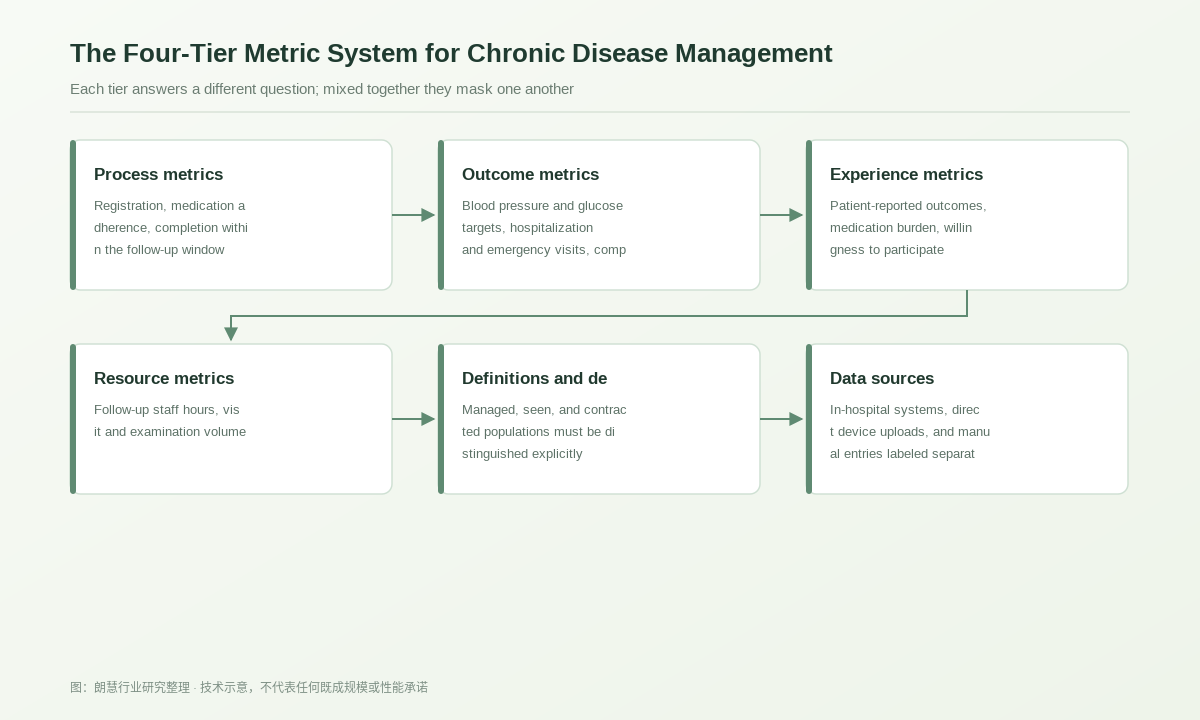
Layered diagram of the chronic disease management metric system: process metrics, outcome metrics, experience metrics, resource metrics, definitions and denominators, and data sources
Medical & health

Data Foundation for Chronic Disease Management Platforms: Metric Definitions, Patient Stratification, and the Follow-Up Loop

A breakdown of the data foundation behind chronic disease management platforms: metric definitions and a four-tier metric system, patient stratification and staffing allocation, adherence measurement methods and sources of bias, tiered follow-up triggers and accountability, on- and off-site data integration and the patient master index, home self-measurement data quality, outcome evaluation design, and an acceptance checklist.

Read article
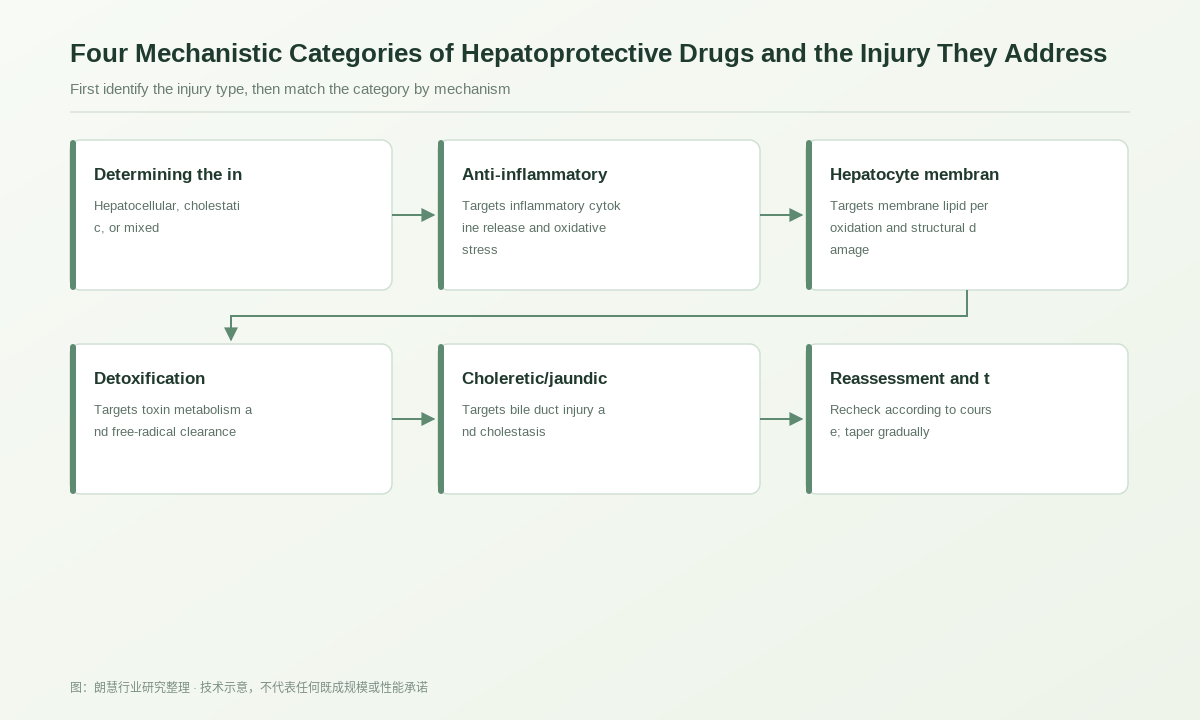
Schematic of hepatoprotective drug mechanisms: anti-inflammatory and antioxidant, hepatocyte membrane repair, detoxification, and choleretic/jaundice-relieving, corresponding respectively to inflammatory cytokine release, membrane lipid peroxidation, oxygen free radicals and toxin metabolism, and bile duct injury with cholestasis
Medical & health

Classification of Hepatoprotective Drugs by Mechanism and Rational Combination Therapy: From Strength of Evidence to Trade-offs in Drug-Induced Liver Injury

Break down the classification of hepatoprotective drugs by mechanism: the applicable boundaries of four categories—anti-inflammatory and antioxidant, hepatocyte membrane repair, detoxification, and choleretic therapy—along with judgments on the strength of evidence, rules for combination and discontinuation, and the trade-offs and monitoring priorities when selecting drugs for drug-induced liver injury.

Read article
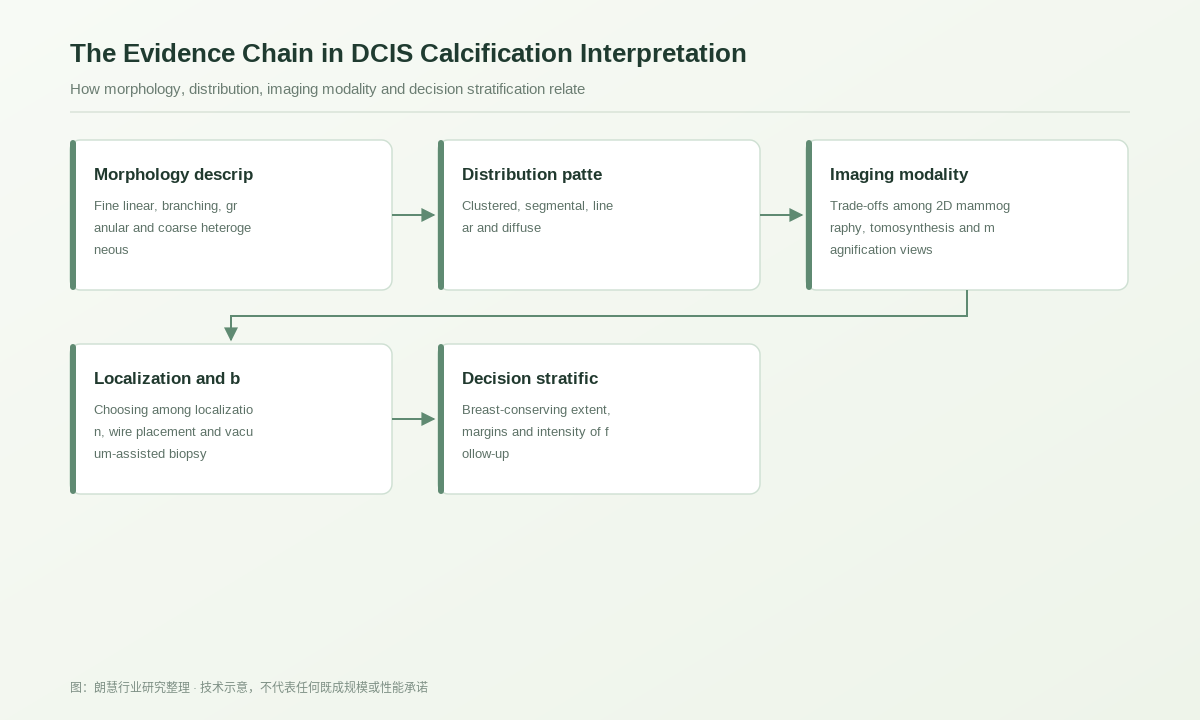
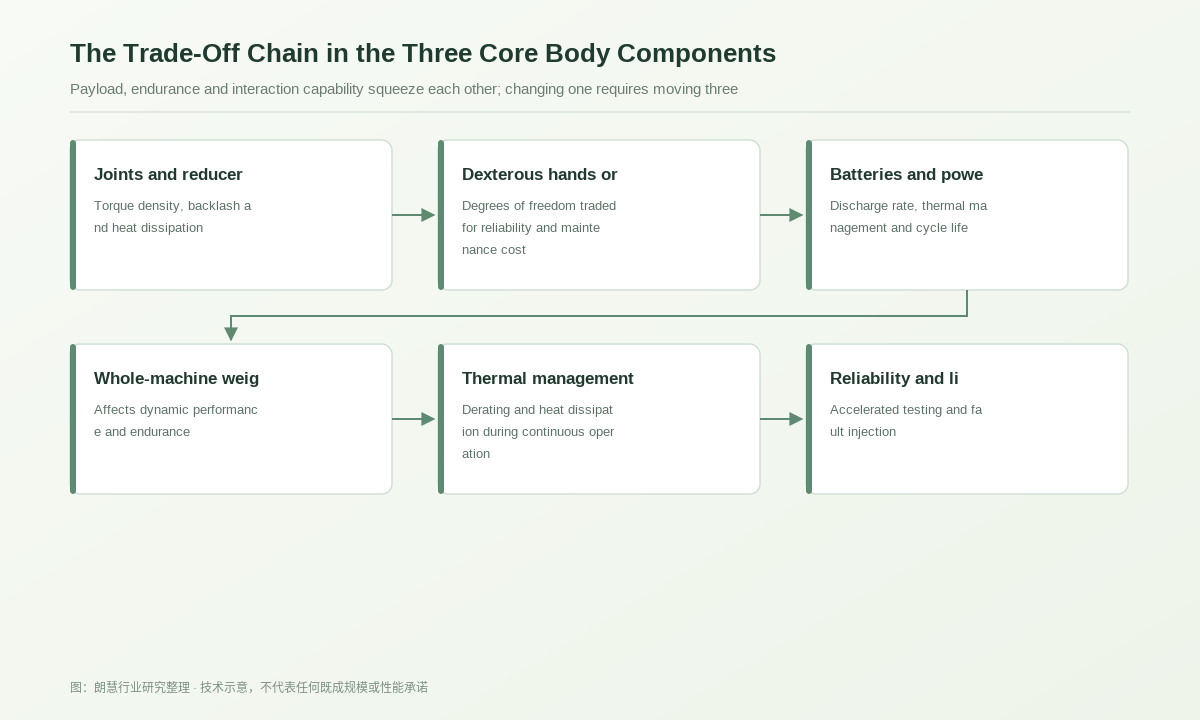
Diagram of humanoid robot body trade-offs: joints and reducers, dexterous hands or grippers, batteries and power, whole-machine weight distribution, thermal management, reliability and lifespan
Embodied & TOBI

Humanoid Robot Productization: The Triple Constraints of Body, Data and Scenario, and the Division of Labor Between Robot Makers and Solution Providers

Breaking down the triple constraints of humanoid robot productization: body-level trade-offs among joints, dexterous hands and batteries; data supply through teleoperation and motion capture; differences in acceptance criteria between industrial and commercial service scenarios; and the division of labor and forward-looking judgments between robot makers and solution providers.

Read article
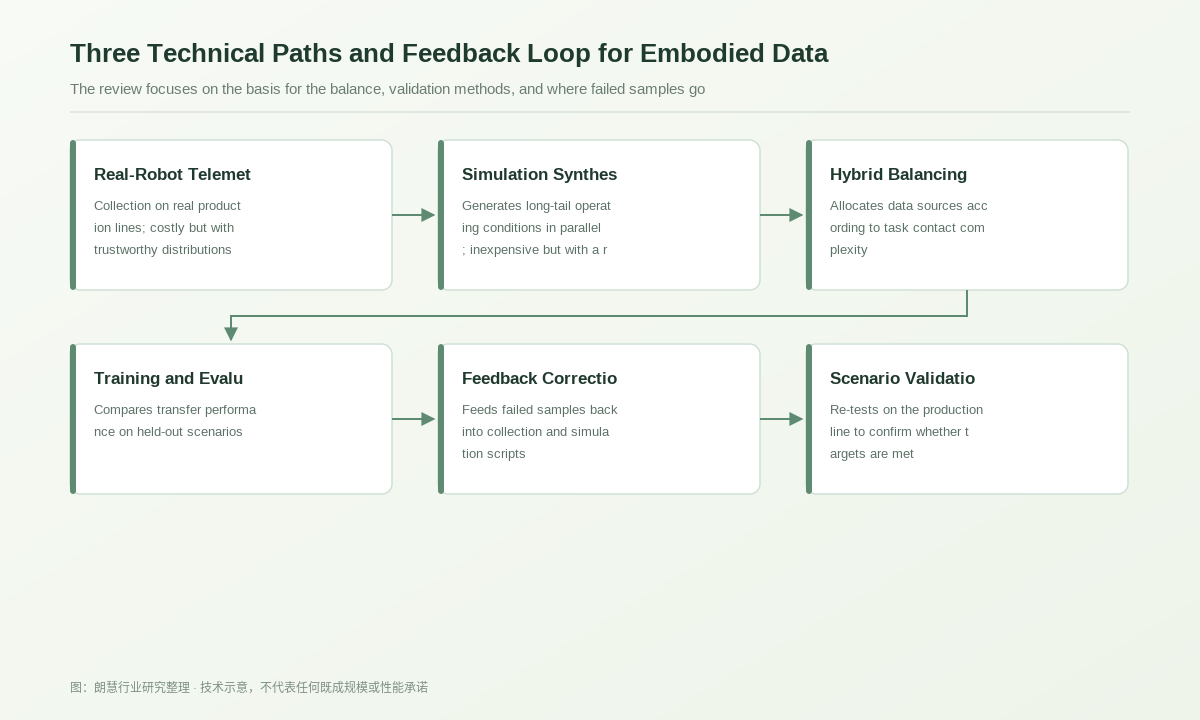
Diagram of technical paths for real-robot telemetry, simulation synthesis, hybrid balancing, training and evaluation, feedback correction, and scenario validation
Embodied & TOBI

Embodied Intelligence Industry Platform Project Review: How to Set the Technical Roadmap, Data Assets, and Support Weighting

A review framework for embodied intelligence industry platforms aimed at review experts and applicants: from technical roadmap balance and scenario deliverability to data asset reuse and team structure, it provides indicator weights, veto-item design, and common counterexamples, while assessing how review priorities may change over the next 12–24 months.
Read article
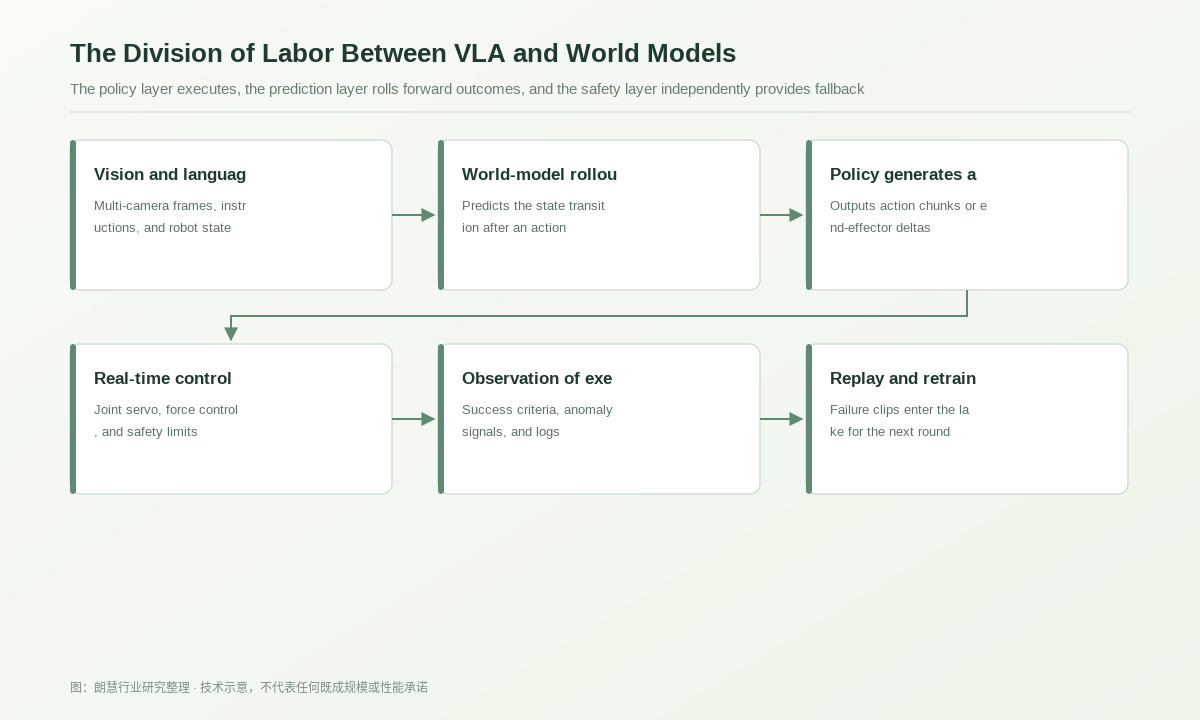
Diagram of the division of labor between VLA and world models: vision and language input, world model rollout, policy action generation, real-time control execution, result observation, and replay retraining
Embodied & TOBI

The Division of Labor Between VLA and World Models: The Reality Gap in Long-Horizon Tasks, Generalization, and Data Scale

A breakdown of the real division of labor between VLA and world models: error accumulation in long-horizon tasks, the costs of four types of generalization, data ratios across real robots, simulation, and human video, choices of action representation and evaluation benchmark bias, plus engineering judgments for the next two years.

Read article
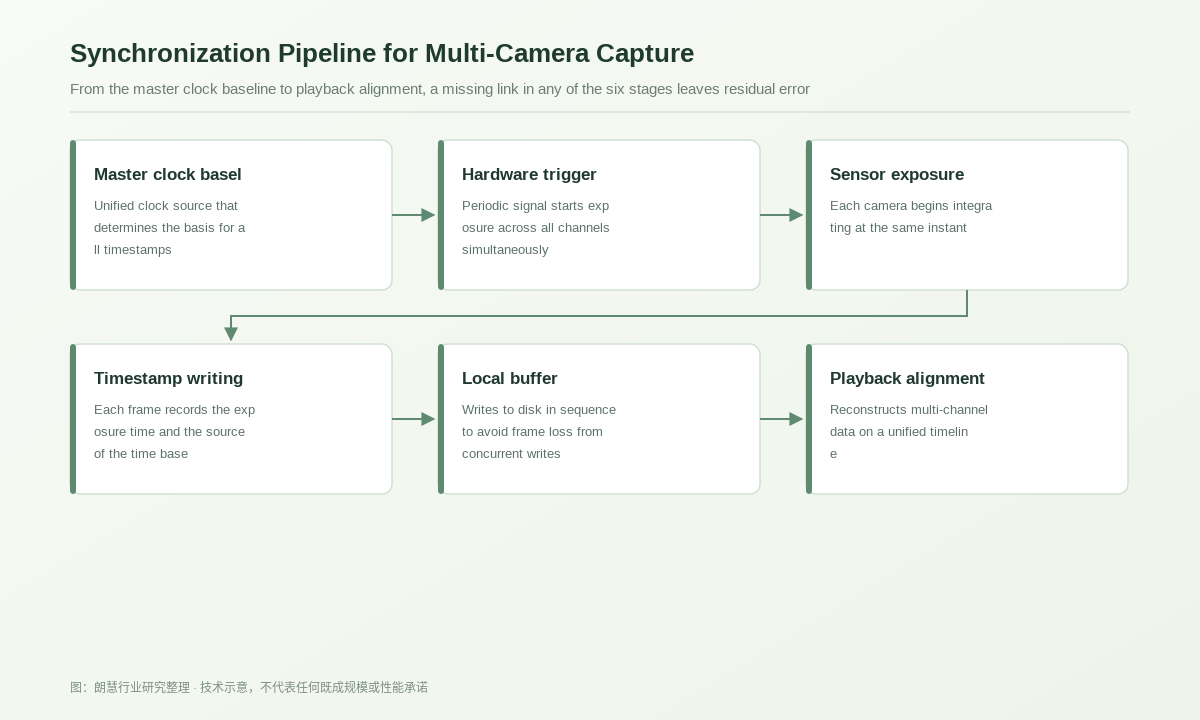
Diagram of a synchronization chain composed of the master clock baseline, hardware trigger, sensor exposure, timestamp writing, local buffer and playback alignment
Embodied & TOBI

Engineering Details of Multi-Camera Capture Devices: From Hardware Synchronization and Intrinsic/Extrinsic Calibration to Data Throughput and Playback

A breakdown of the engineering details behind stereo and six-camera capture devices: hardware synchronization and timestamps, intrinsic and extrinsic calibration, depth and point clouds, bandwidth and storage, grayscale and color division of labor, thermal management and protection, and acceptance checklists, with outlooks for the next 12–24 months.

Read article
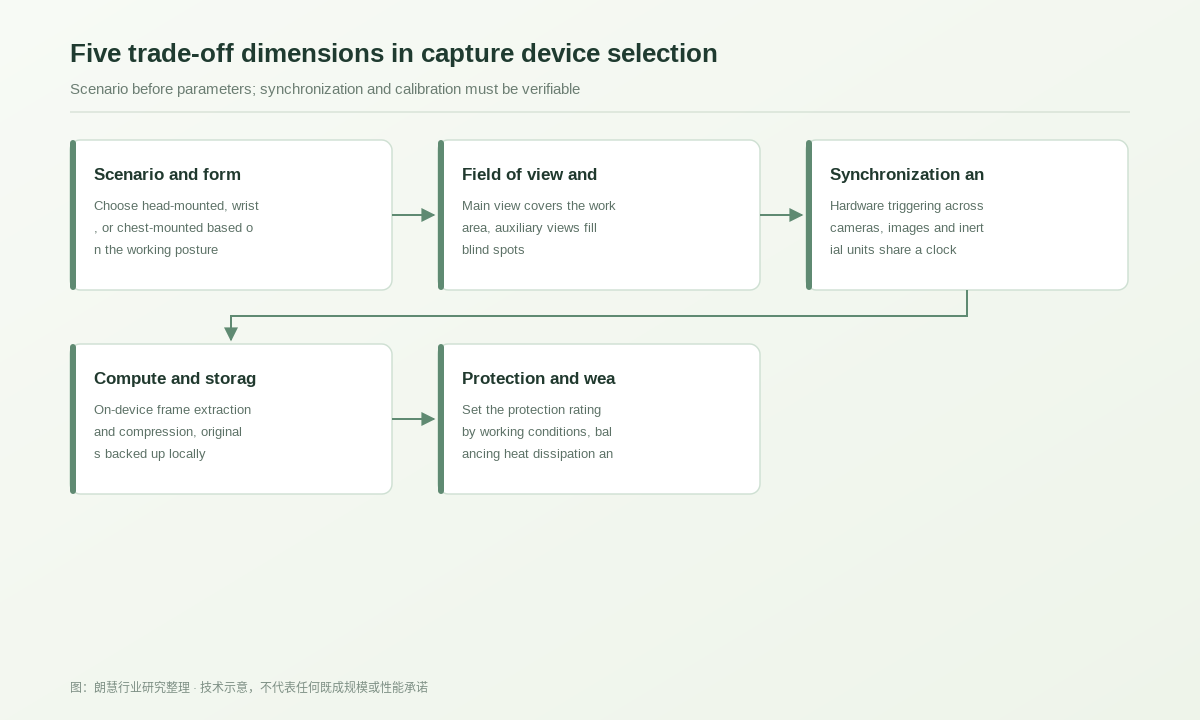
Illustration of capture device selection: scenario and form factor, field of view and distortion, synchronization and time base, compute and storage, protection and wearability
Embodied & TOBI

How Embodied Data and Hardware Drive Each Other: Capture Device Selection, Playback, and Field Reliability

Breaks down the relationship between embodied data and capture equipment: multi-camera device selection, playback and visualization, time synchronization and calibration, training and deployment iteration, protection, reliability and on-site implementation, and discusses certification and compliance boundaries in cross-border delivery—giving data teams and hardware teams a shared set of acceptance criteria.

Read article
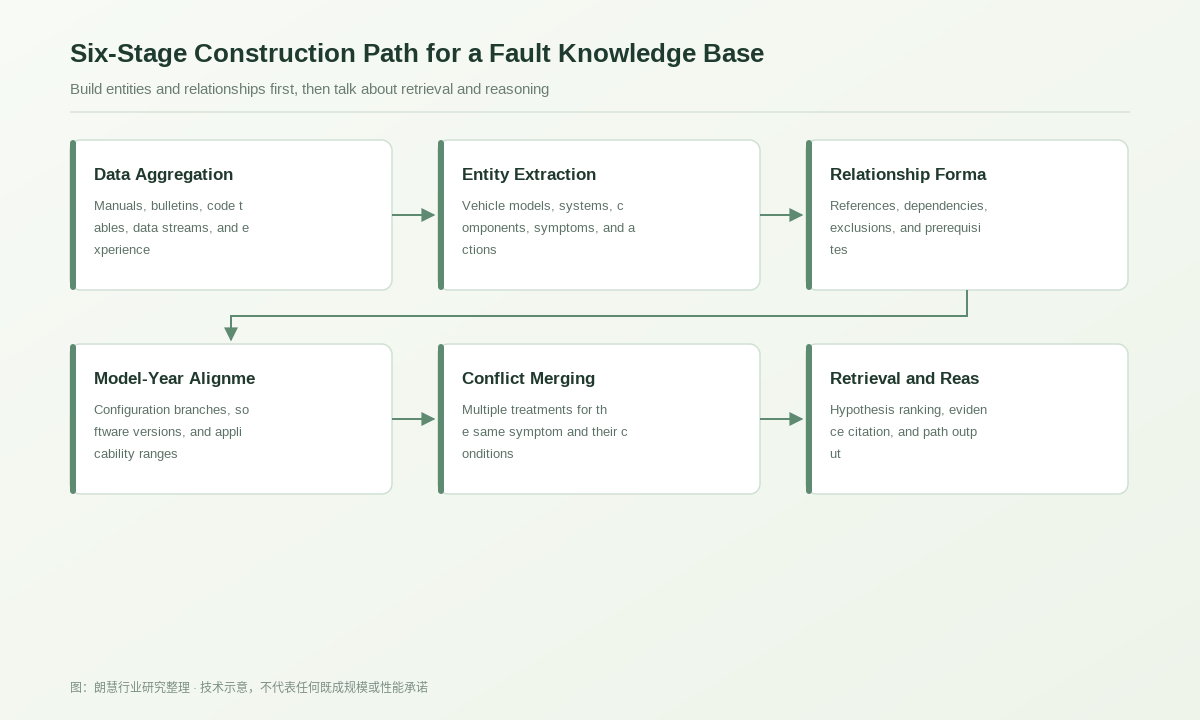
Diagram of fault knowledge base construction: data aggregation, entity extraction, relationship formation, model-year alignment, conflict merging, and the retrieval and reasoning interface
Industry & tech

Automotive Repair AI Infrastructure: The Triangle of Fault Knowledge Bases, Repair Images, and Work Order Data

A breakdown of the three data foundations of automotive repair AI: structured fault knowledge bases, the evidence chain formed by endoscopic and exterior images, and the execution conditions supplied by work orders and parts data. It also discusses the engineering constraints of diagnostic explainability, deployment in repair shops, and technician adoption.

Read article
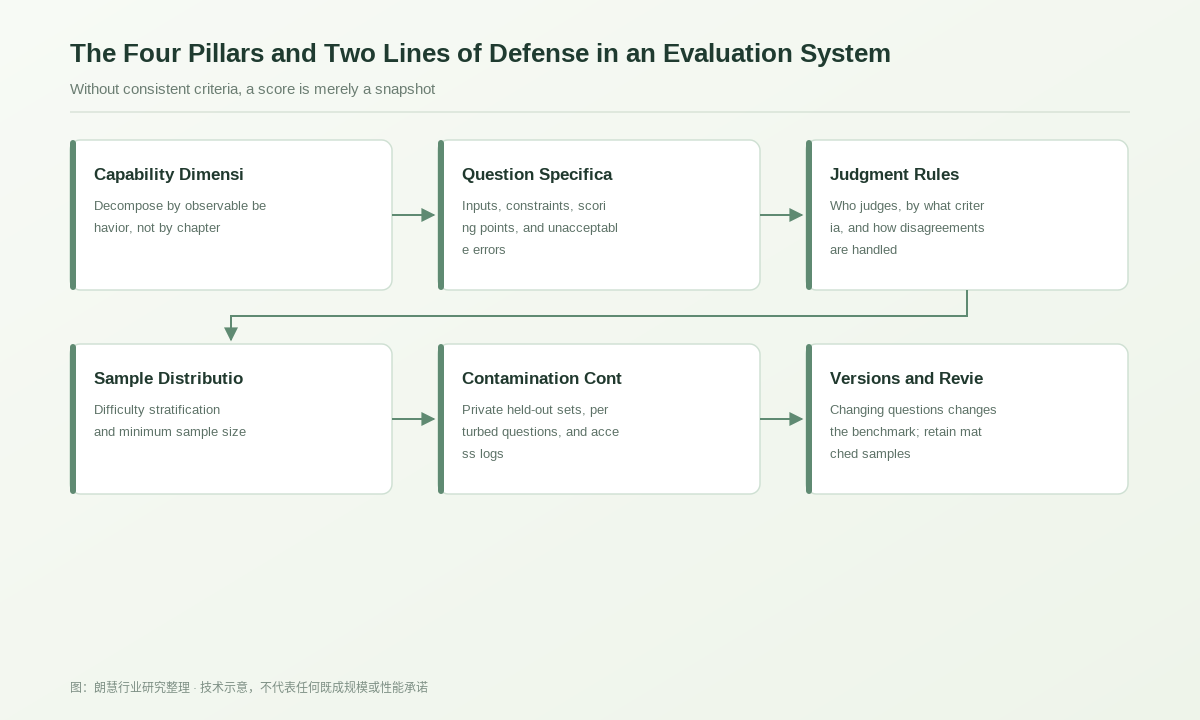
Diagram of an evaluation data system: capability dimensions, question specifications, judgment rules, sample distribution, contamination control, and version review
Industry & tech

From Question Banks to Benchmarks: How to Build AI Evaluation Data, Prevent Contamination, and Participate in Standards Development

A breakdown of the engineering methods behind AI evaluation data: question bank construction, benchmark sampling and statistical criteria, disputed-question arbitration, evaluation contamination governance, agent trajectory evaluation, and how to participate in group standards and define measurable indicators.

Read article
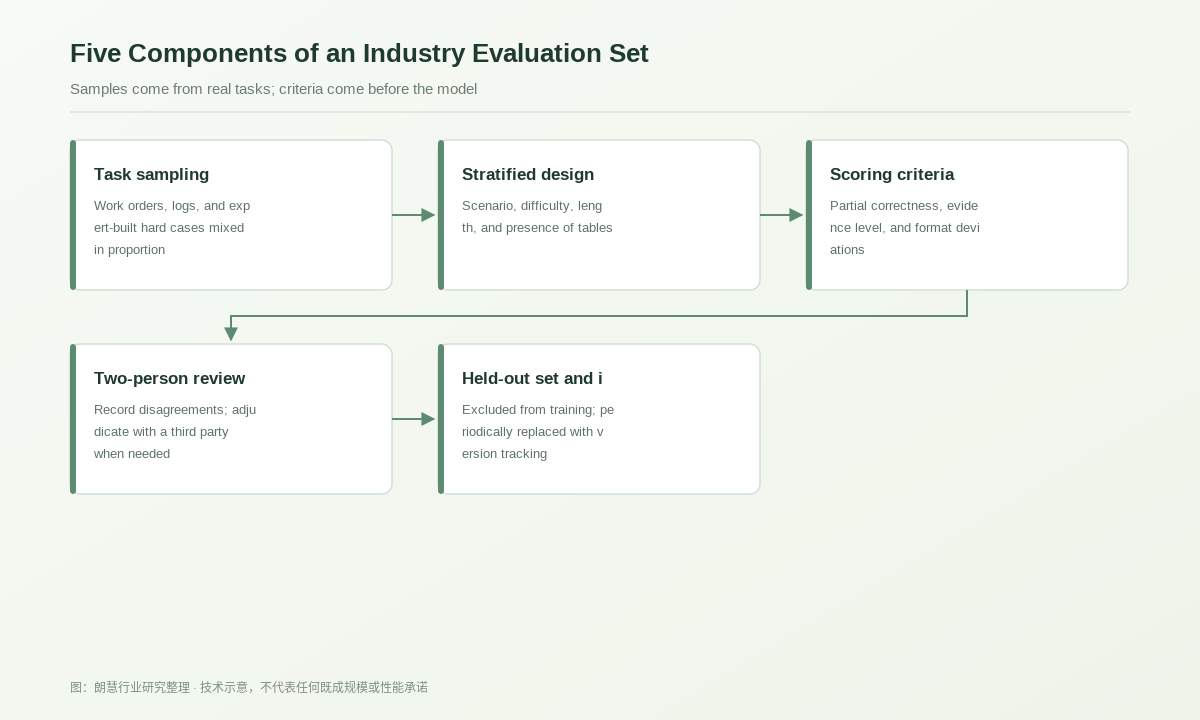
Structure of an industry evaluation set: task sampling, stratified design, scoring criteria, two-person review, and held-out set with item rotation
Industry & tech

Industry LLM Deployment: What Is Actually Missing Between General Capability and Scenario Metrics

A breakdown of the deployment path for industry LLMs: evaluation-set construction, domain fine-tuning, knowledge bases and retrieval, tool calling, cost and latency, on-device/cloud collaboration and data de-identification, industry standards and trust requirements. It offers a validation approach from pilot to scale, forward-looking judgments, and a troubleshooting order for common failure modes.

Read article
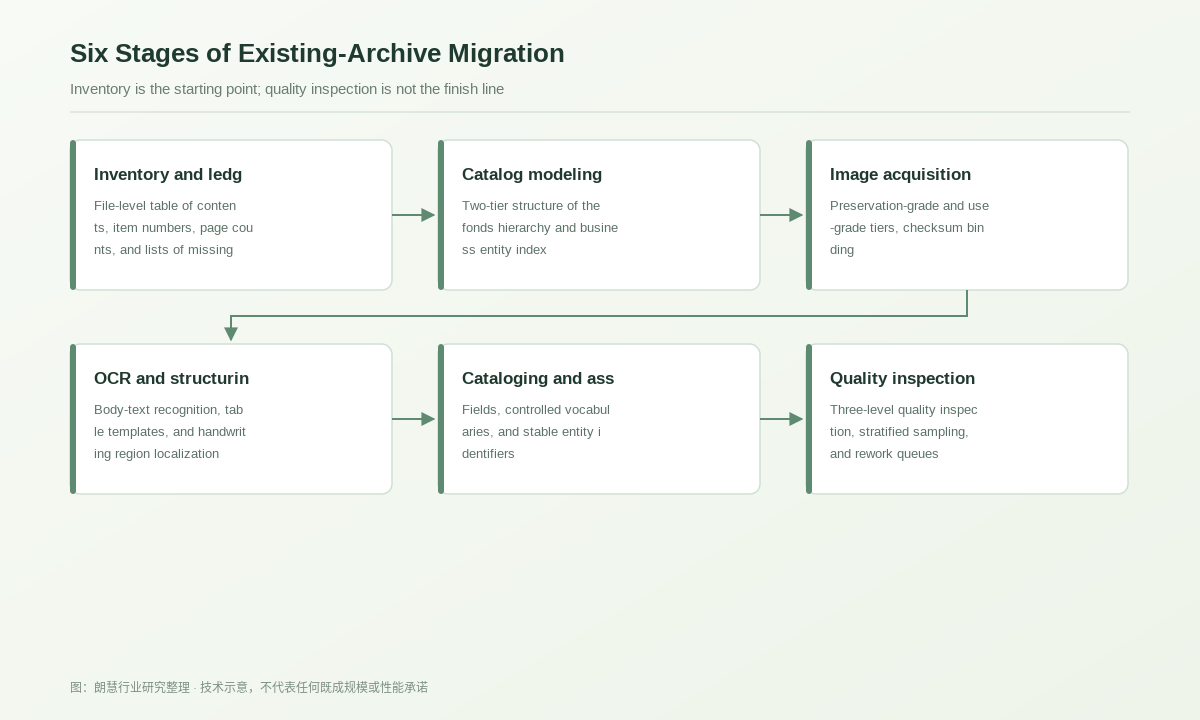
Diagram of the existing-archive migration pipeline: inventory and ledger building, catalog modeling, image acquisition, OCR and structuring, cataloging and association, quality inspection and ingestion
Industry & tech

Structured Migration of Existing Expropriation Archives: Scanning and Recognition, Cataloging Rules, and the Dual-Set System

Methods for structuring and migrating existing archives: scanning and OCR quality control, a two-tier catalog system and cataloging rules, paper and electronic dual-set practices, security classification and access permissions, quality inspection and sampling, digitized records of on-site verification, and pathways for integration with business systems.

Read article
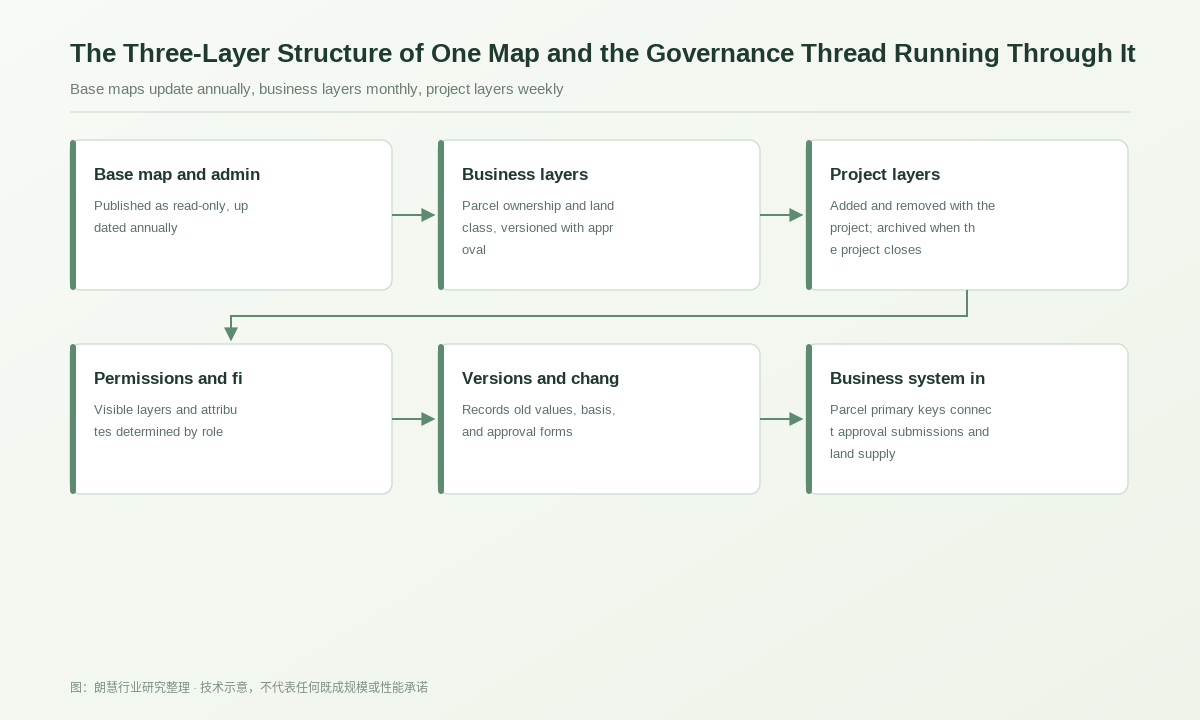
Diagram of the three-layer One Map structure: base map and administrative divisions, business layers, and project layers, along with permission and field trimming, version tracing, and business system integration
Industry & tech

The Foundation of One Map for Land Management: Building Multi-source Base Maps, Parcel Codes, and Layer Permissions

A breakdown of data governance for land management and geographic business systems: stitching multi-source base maps, defining coordinate systems and area standards, parcel coding rules, layer and field permissions, change tracing, business system integration, acceptance sampling, and an outlook for the next two years of development.

Read article
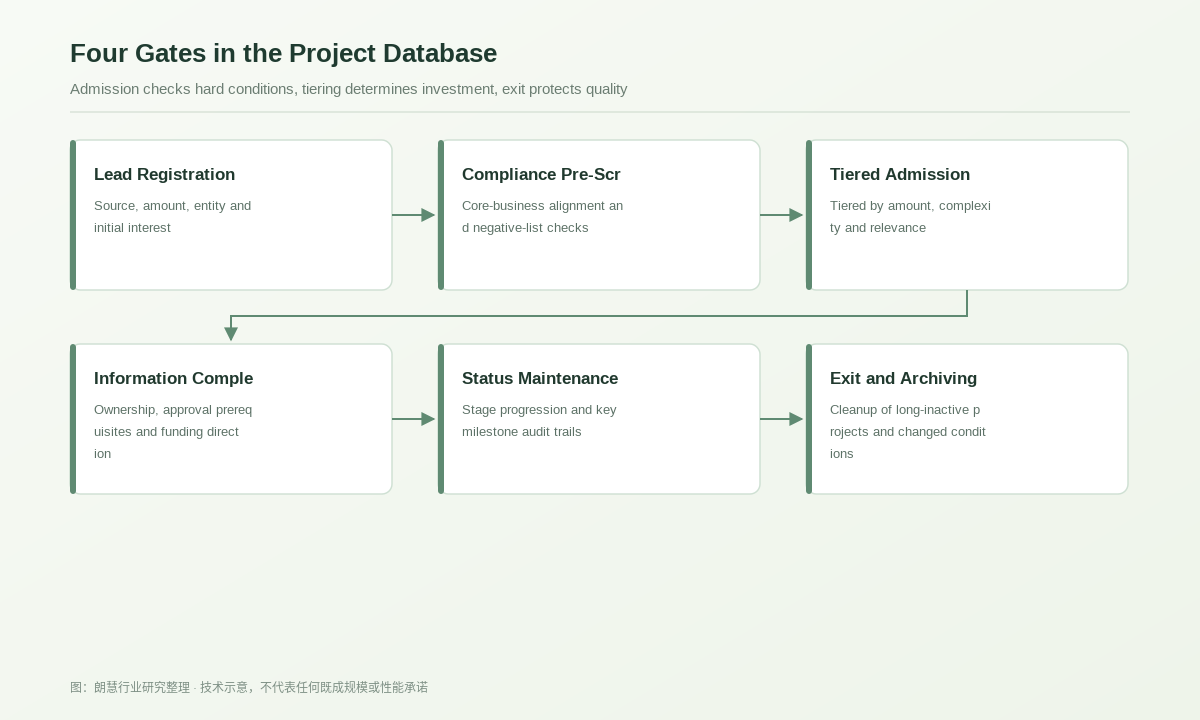
Investment and financing project database process diagram: lead registration, compliance pre-screening, tiered admission, information completion, status maintenance, exit and archiving
Industry & tech

Process Design for Investment and Financing Systems: How the Project Database, Investment Decisions, Fund Disbursement and Post-Investment Alerts Fit Together

A breakdown of the process design for investment and financing systems: project database admission and tiering, structured due diligence and review, investment decision voting and authorized limits, fund disbursement and reconciliation, post-investment management and risk alerts, state-owned asset supervision reporting requirements, as well as permission controls and audit trails, end-to-end acceptance testing, and rollout methods.

Read article
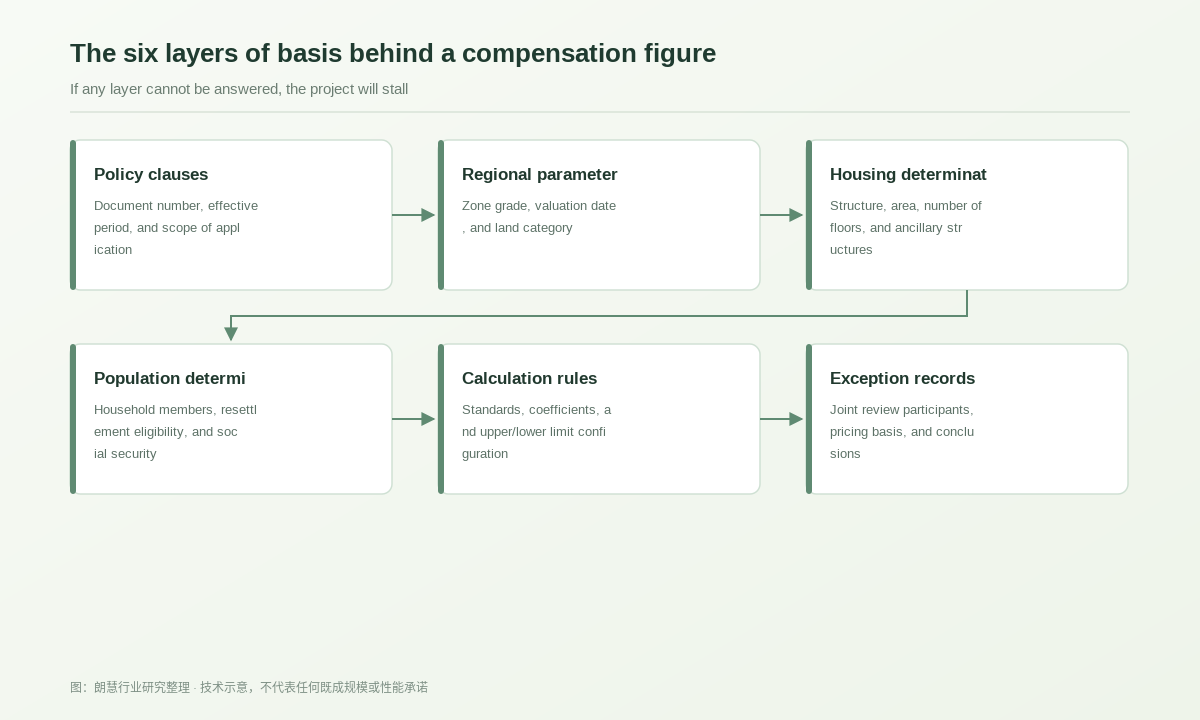
Diagram of the compensation basis chain: policy clauses, regional parameters, property determination, population determination, calculation rules, and exception records
Industry & tech

Functional Architecture of Land Acquisition and Relocation Systems: Policy Basis, Compensation Calculation, and Audit Trails

A breakdown of the functional architecture of land acquisition and relocation systems: policy basis repository and version management, ownership and property surveys, compensation calculation rule engines, agreement evidence chains, public disclosure records, funding ledgers, and audit trails, along with implementation failure points and forward-looking assessments.

Read article
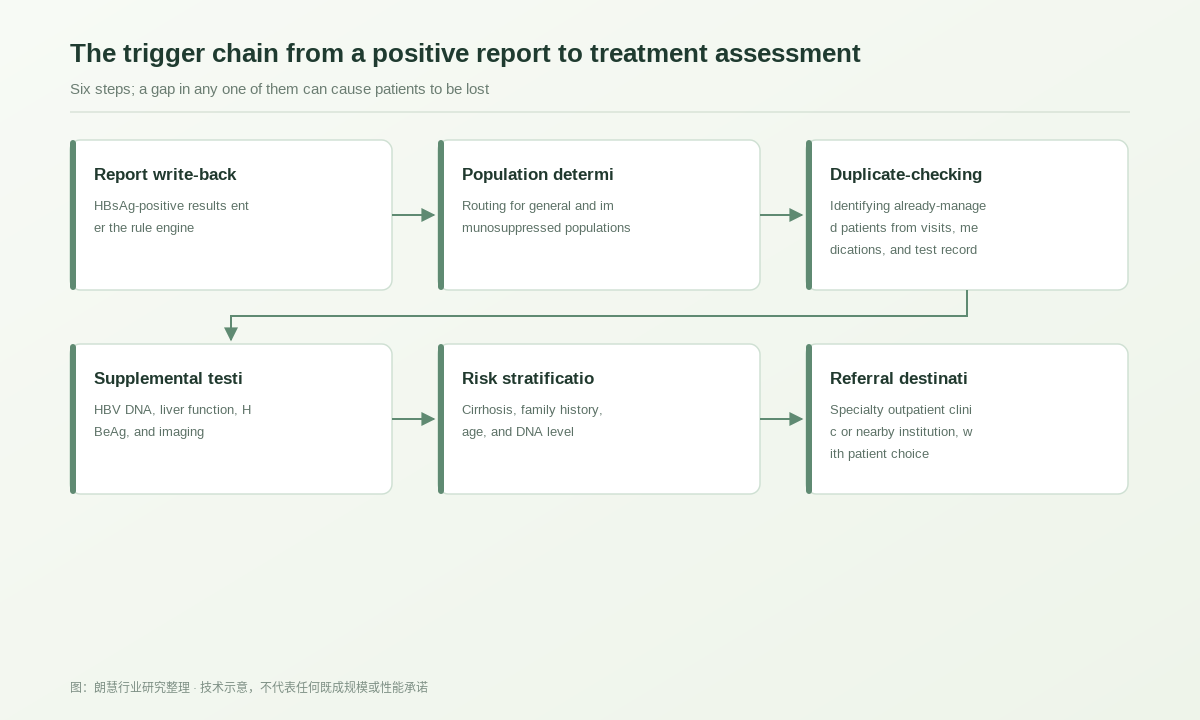
Diagram of the hepatitis B-positive trigger chain: report write-back, population determination, duplicate-checking exclusion, supplemental testing, risk stratification, and referral destination
Medical & health

Smart In-Hospital Management of Hepatitis B: Designing the Path from Positive Detection to Liver Cancer Surveillance

An analysis of the path to smarter in-hospital hepatitis B management: HBsAg-positive trigger rules and duplicate-checking, treatment assessment, scheduling liver cancer surveillance with AFP plus ultrasound or MRI, follow-up adherence, privacy compliance, and information-system development for specialized disease centers.

Read article
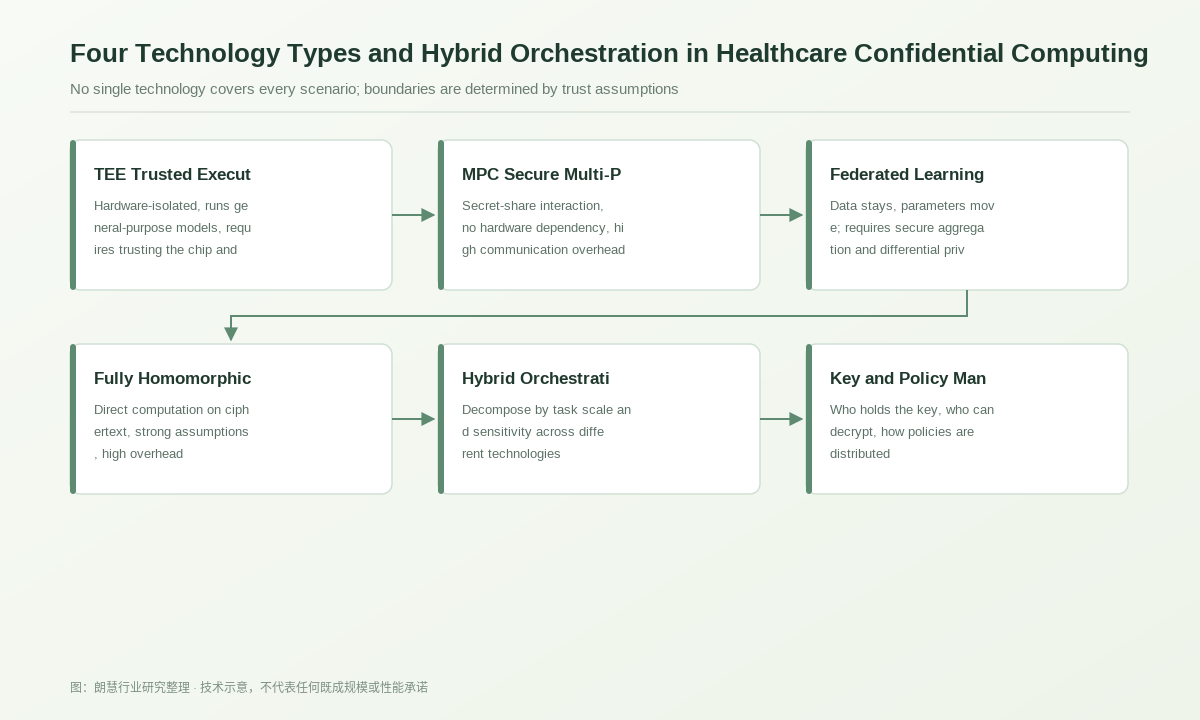
Schematic of confidential computing technology routes: trusted execution environment, secure multi-party computation, federated learning, fully homomorphic encryption, hybrid orchestration, and key and policy management
Medical & health

Confidential Computing Comes to Healthcare: The Real-World Boundaries and an Implementation Checklist for TEE, MPC and Federated Learning

Breaking down the real-world boundaries of confidential computing in healthcare: the performance and accuracy costs of TEE, MPC, federated learning and fully homomorphic encryption; differences in trust models; where they do and do not apply; an engineering implementation checklist; and a forward-looking assessment.

Read article
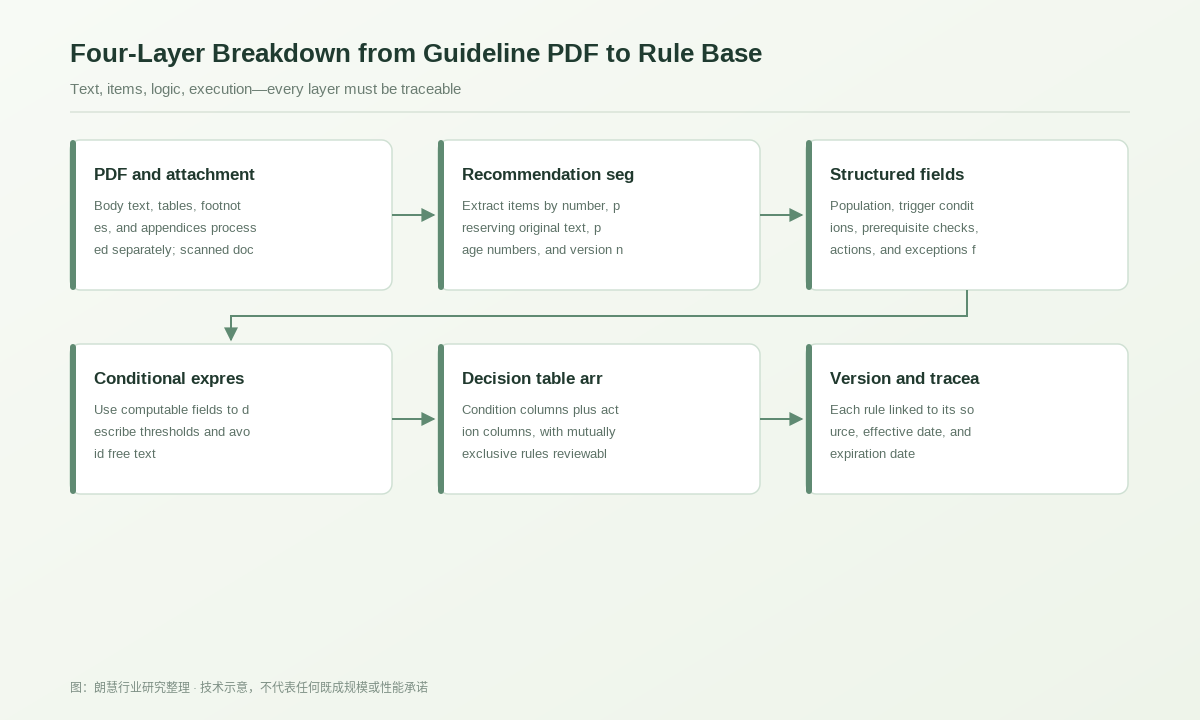
Schematic of four-layer guideline rule-ification: PDF and attachment parsing, recommendation segmentation, structured fields, conditional expressions, decision table arrangement, version and traceability identifiers
Medical & health

AI-ifying Clinical Guidelines: Turning Consensus into Rule Bases, Version Conflicts, and Explainable Audits

An analysis of the path to AI-ifying clinical guidelines: converting PDF recommendations into executable rule bases, handling decision tables, conditional expressions, evidence levels, version updates, and conflicts among multiple guidelines, while discussing explainability and auditing when integrating with CDSS and large models.

Read article
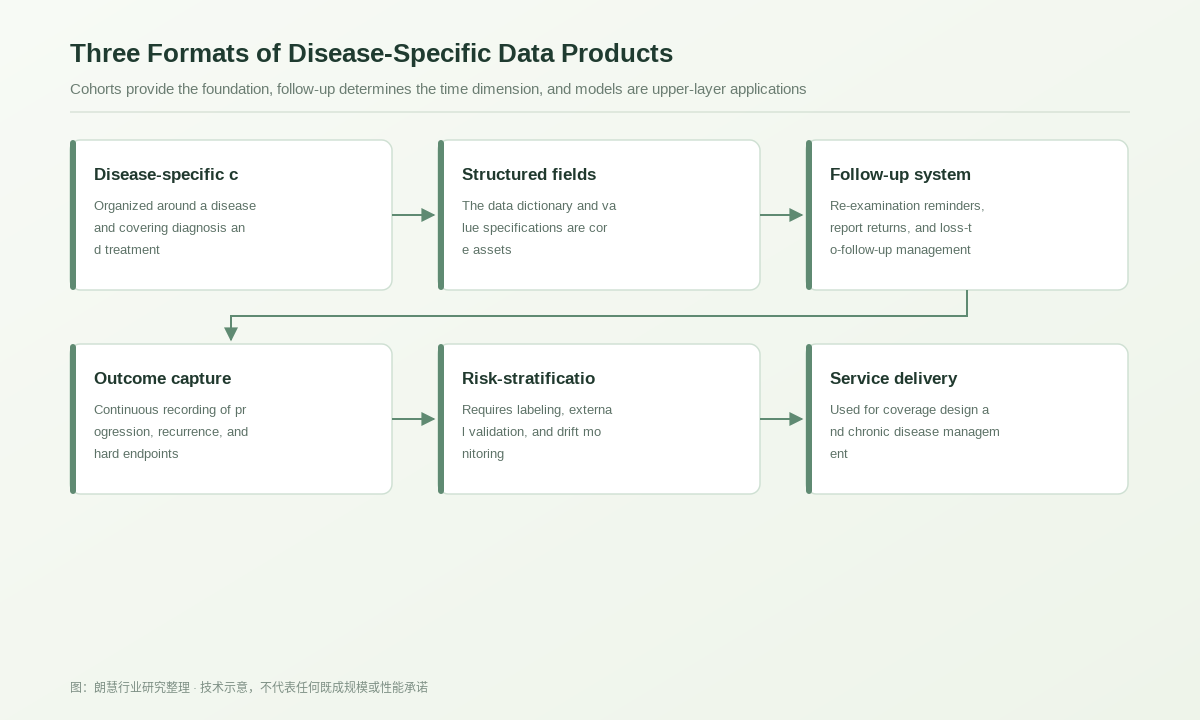
Diagram of disease-specific data product formats: disease-specific cohort, structured fields, follow-up system, outcome capture, risk-stratification model, and service delivery
Medical & health

Disease-Specific Data Products Move into Commercial Insurance: A Compliance Path from Data Packages to Risk-Stratification Services

This article breaks down how disease-specific data products can be integrated with commercial health insurance: the data formats of cohorts and follow-up, the compliance boundaries of de-identification and purpose limitation, the application scenarios in underwriting and chronic disease management, and key compliance considerations for hospital-side organization and assets.

Read article
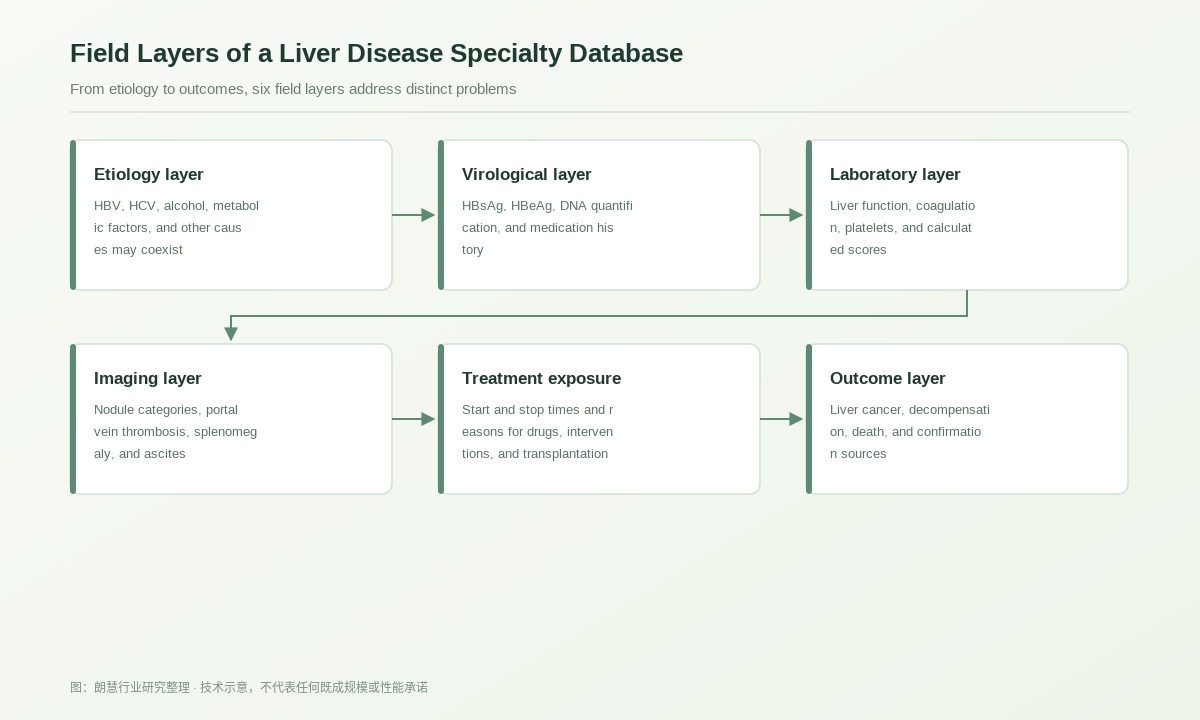
Illustration of field layering in a liver disease specialty database: etiology layer, virological layer, laboratory layer, imaging layer, treatment exposure layer, outcome layer
Medical & health

Engineering Details of Building Liver Disease Specialty Databases: Fields, Follow-up, and Multicenter Collaboration

A breakdown of field design, follow-up registration, data dictionary and version management, multicenter collaboration and research reuse in the construction of liver disease specialty databases, covering outcome confirmation criteria, common failure modes and an acceptance checklist, along with a forward-looking view for the next 12 to 24 months.

Read article
Illustration of medical dataset classification: the purpose and sensitivity axes intersect to form four levels—aggregate statistical, restricted research, federated modeling, and encrypted computation
Medical & health

High-Quality Medical Datasets and Trusted Data Spaces: Five Gates Before Classification, Measurement, and Circulation

A breakdown of the engineering essentials for high-quality medical datasets and trusted data spaces: dataset classification, six quality measures, source compliance and purpose limitation, pre-circulation checklists and audit trails, along with practical shortcomings and forward-looking assessments of multicenter research.

Read article
Schematic of the dual-scale imaging–pathology feature chain for pancreatic cancer: portal venous-phase CT acquisition, organ and lesion segmentation, radiomics and deep-learning features, whole-slide annotation and component classification, and convergence at the label level
Medical & health

Pancreatic Cancer Radiopathomics: Small-Sample Modeling and Preoperative Resectability Assessment

An analysis of pancreatic cancer radiopathomics research: dual-scale modeling with CT and whole-slide pathology, cross-validation and data leakage under small samples, limits of preoperative resectability assessment, challenges of slide-image registration, levels of multi-omics fusion, external validation, and evaluation of clinical utility.

Read article
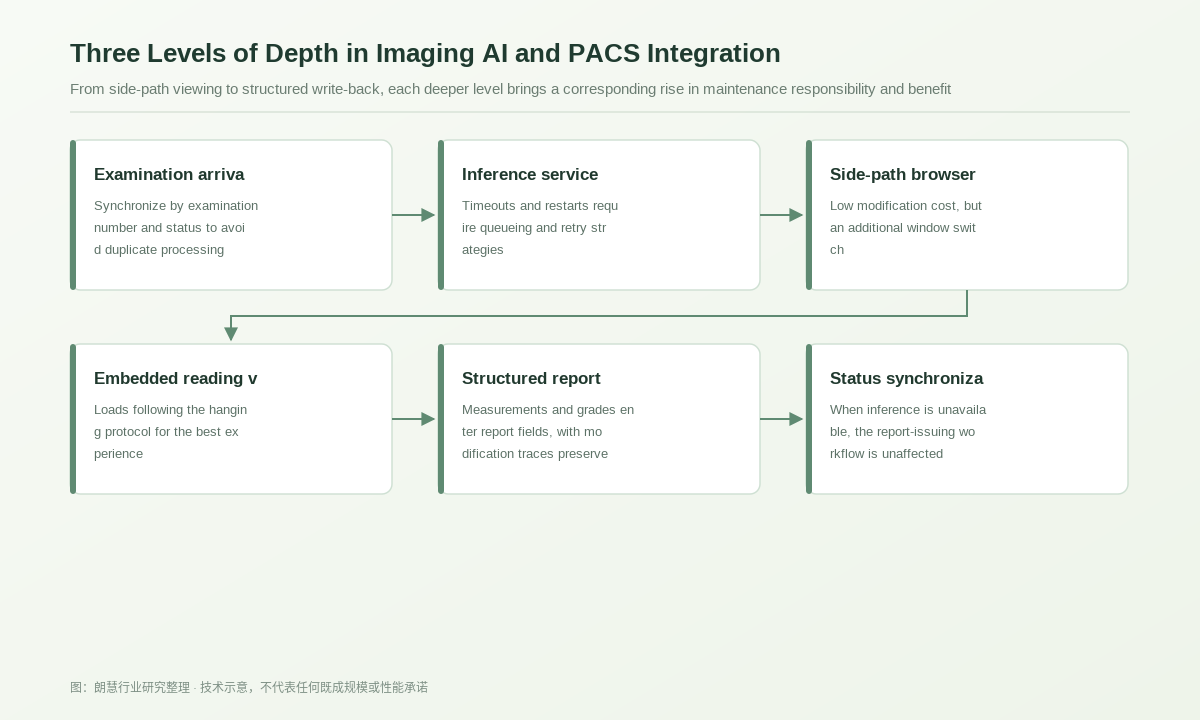
Three levels of imaging AI and PACS integration: examination arrival and worklist, inference service calls, side-path browser viewing, embedded reader overlay, structured report write-back, status synchronization, and degradation fallback
Medical & health

Six Gates for Deploying Imaging AI in Clinical Departments: Interface Integration, Recall Strategy, and Device Changes

A breakdown of the six gates imaging AI must pass to enter departmental workflows: PACS interface integration, thresholds and recall strategy, report presentation, false-positive handling, performance monitoring, device registration and change management, along with a discussion of the hidden impact of evidence hierarchy and data annotation.

Read article
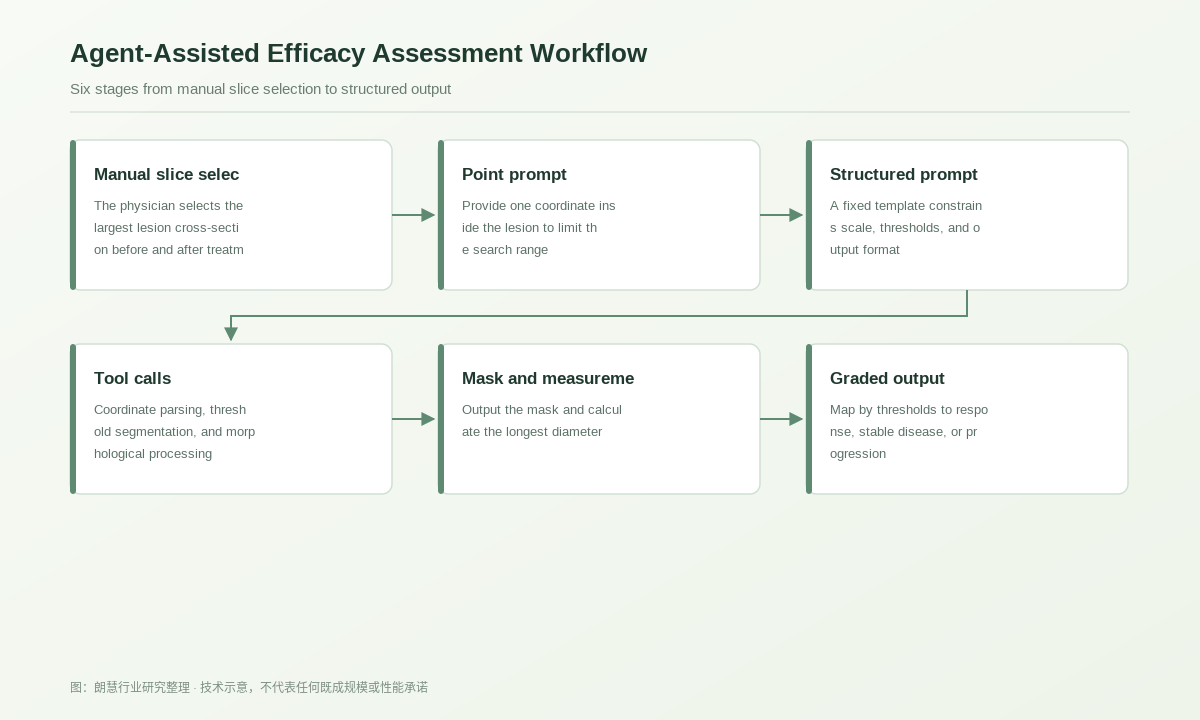
Workflow diagram of a large language model agent assisting breast cancer efficacy assessment: manual slice selection, point prompts, structured prompts, tool calls, mask measurement, and graded output
Medical & health

Evaluating Neoadjuvant Efficacy in Breast Cancer with Large-Model Agents: Evidence Chains, Tool Calls, and Responsibility Boundaries

An analysis of the technical pathway for using large language model agents to assess neoadjuvant treatment efficacy in breast cancer: structured prompting and tool calls, multimodal evidence chains linking imaging, pathology, and medical records, hallucination control methods, Dice and measurement consistency evaluation standards, regulatory requirements, and clinical responsibility boundaries, along with common failure modes.

Read article
Schematic of the evidence chain for DCIS calcification interpretation: morphology description, distribution pattern, imaging modality, localization and biopsy, and decision stratification
Medical & health

Imaging the Ductal Carcinoma In Situ Dilemma: From Calcification Morphology to the Trade-offs of Overdiagnosis

Starting with calcification morphology and MRI enhancement patterns, this article explains preoperative extent assessment, breast-conserving margins, the debate over overdiagnosis and follow-up strategies for DCIS, while also discussing challenges in imaging label consistency and dataset construction for radiology, algorithm and data teams.

Read article
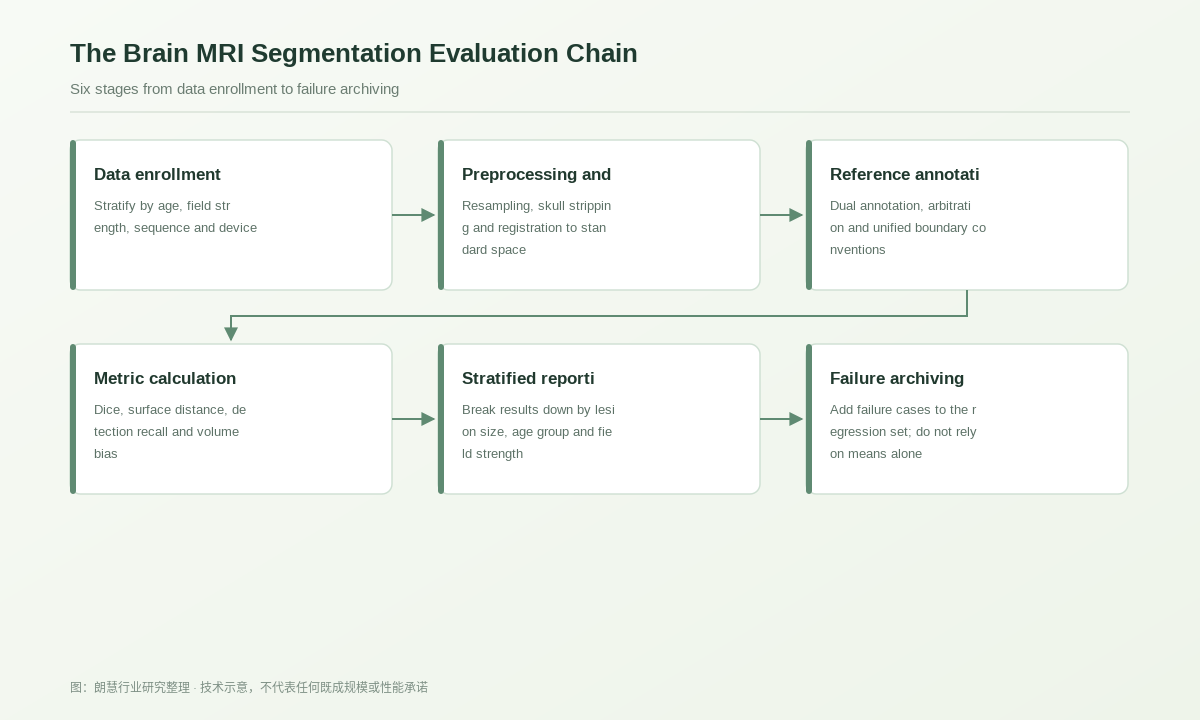
Diagram of the brain MRI segmentation evaluation chain: data enrollment, preprocessing and registration, reference annotation, metric calculation, stratified reporting and failure archiving
Medical & health

Brain MRI Segmentation Across Ages and Field Strengths: Engineering Practice from U-Net to State Space Models

This article traces the evolution of brain MRI segmentation algorithms from U-Net to Transformers and state space models, discusses the evaluation boundaries of BraTS-like benchmarks, class imbalance and small lesions, cross-center and cross-field-strength registration, multi-sequence annotation standards and pipeline acceptance criteria, provides a 12- to 24-month technical outlook, and explains how to set quality-control metrics.

Read article